
Why US Contractors Are Outsourcing
O&M Manual Development
Delivering a successful construction project in the United States goes beyond completing the physical build.
Delivering a successful construction project in the United States goes beyond completing the physical build. A smooth and compliant handover is just as critical, especially for commercial, healthcare, education, and government projects.
One of the most essential elements of this final phase is preparing accurate and comprehensive Operation and Maintenance (O&M) manuals.
Well-structured O&M manuals play a central role in how a building is operated, maintained, and managed long after construction is complete.
They provide facility managers, owners, and maintenance teams with the documentation needed to operate building systems safely, meet regulatory requirements, and avoid costly operational issues. In many US construction contracts, properly delivered O&M documentation is also a contractual obligation, making accuracy and completeness non-negotiable.
Despite their importance, creating high-quality O&M manuals for construction projects is often time-consuming and resource-intensive for contractors. Project teams are typically focused on closeout deadlines, punch lists, and inspections, leaving little capacity to manage detailed documentation internally.
This is why many US contractors are now choosing to outsource O&M manual development to specialised providers with the processes, tools, and experience required to meet strict handover standards.
In this article, we explain why outsourcing O&M manuals has become a practical and strategic decision for US construction contractors, and how working with an experienced O&M documentation specialist can reduce risk, save time, and support smoother project closeouts.

What are O&M manuals, and why are they essential?
Operation and Maintenance manuals are structured handover documents that support the long-term operation of a completed building. In the US construction industry, these manuals act as a single reference point for owners, facility managers, and operations teams once a project transitions from construction to occupancy.
A well-prepared O&M manual for a construction project typically includes detailed technical and operational information that would otherwise be scattered across drawings, submittals, and contractor records. This documentation helps building operators understand how systems were installed, how they should be maintained, and how they can be safely modified in the future.
Most construction O&M documentation contains essential information such as:
- As-built construction data, including materials used, system layouts, finishes, and equipment specifications.
- Maintenance and asset information, covering service schedules, manufacturer warranties, spare parts, and commissioning records.
- Decommissioning and lifecycle guidance, outlining safe procedures for system upgrades, replacements, or eventual demolition.
Beyond operational value, O&M manuals in the USA are often a contractual requirement for achieving practical or substantial completion. Public sector projects, healthcare facilities, and commercial developments frequently specify strict documentation standards that must be met before final payment or occupancy approval is granted.
When O&M documentation is incomplete, delayed, or poorly organised, it can slow down project closeout, trigger compliance issues, and strain contractor-client relationships.
These delays are costly and frustrating for both parties, particularly when construction work is finished, but documentation remains outstanding. This risk is a key reason many US contractors now seek specialist support to ensure manuals are delivered accurately and on time.

Why managing O&M documentation in house can be challenging
Many construction contractors initially plan to prepare O&M manuals internally, assuming the process will be straightforward once the build is complete. In practice, managing operation and maintenance documentation often proves far more complex, especially on larger or multi-trade projects common across the US construction market.
One of the biggest challenges is gathering accurate information from multiple subcontractors and suppliers. Mechanical, electrical, plumbing, fire protection, and speciality trades typically contribute critical documentation, including certifications, product data, and commissioning records.
By the time the project reaches closeout, many of these teams have already moved on to new jobs, making it challenging to retrieve missing or updated information needed for complete construction handover documentation.
Timing is another frequent issue. O&M manual preparation is often pushed to the final stages of a project, when site teams are under pressure to meet inspection deadlines, resolve punch list items, and secure occupancy approvals.
This last-minute approach increases the risk of incomplete manuals, outdated specifications, or inconsistencies between as-built drawings and installed systems. In the US, where documentation standards are closely tied to contractual milestones, these gaps can delay substantial completion and final payment.
Responsibility for compiling O&M documentation is also commonly assigned to administrative staff or junior team members who may not have a technical background or familiarity with US documentation standards.
Without clear guidance or experience, navigating complex requirements, formatting expectations, and compliance checklists can be overwhelming. This often results in manuals that require multiple revisions or fail to meet the owner’s or consultant’s expectations.
Together, these challenges create unnecessary risk for contractors, increasing the likelihood of delays, rework, and client dissatisfaction. As project documentation requirements continue to grow more detailed, many US contractors are reassessing whether managing O&M manuals in-house is the most efficient or reliable approach.
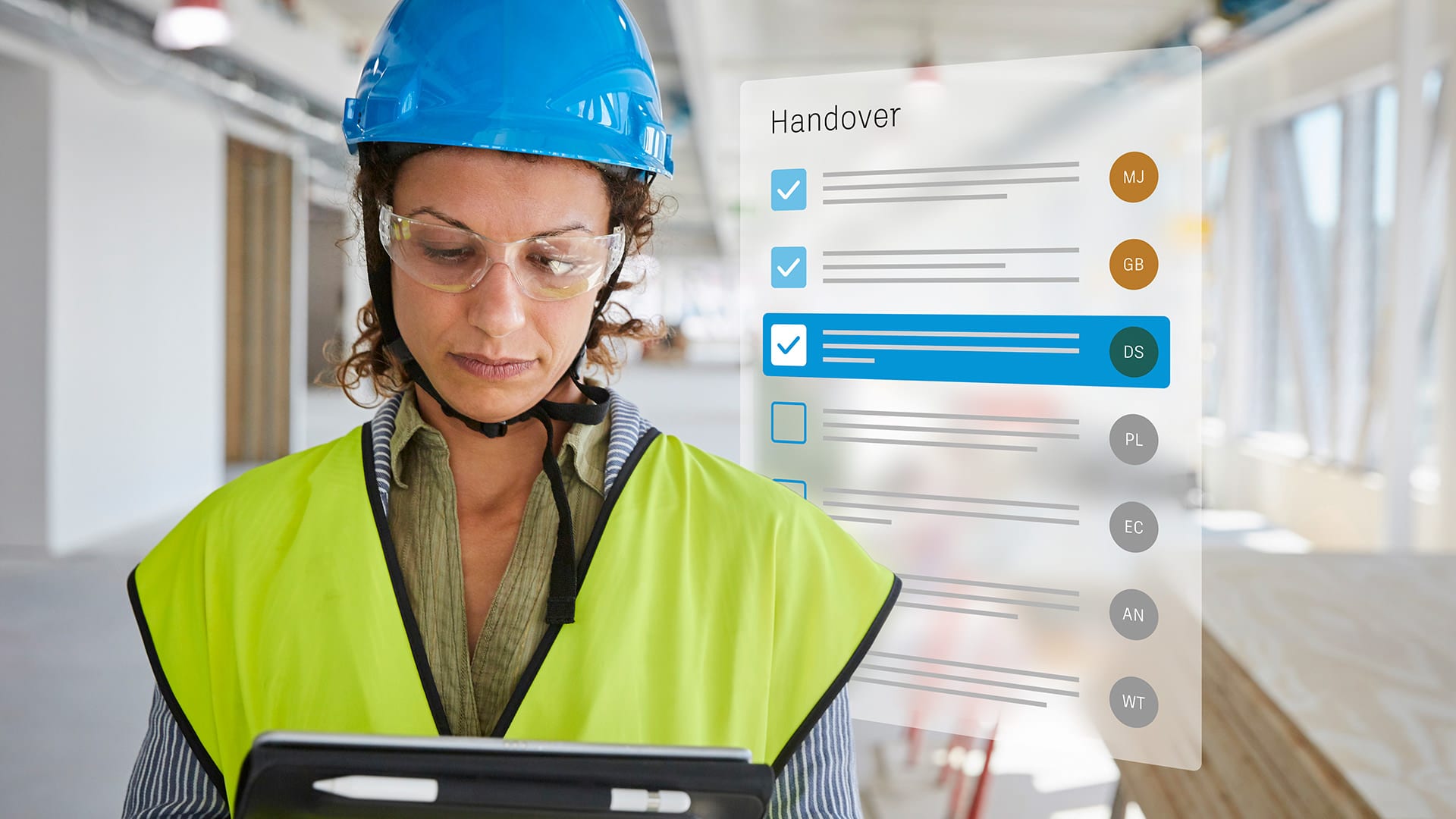
The benefits of outsourcing O&M manuals
Outsourcing the preparation of operation and maintenance documentation to a specialist provider gives contractors access to dedicated expertise, structured workflows, and purpose-built technology.
In the US construction environment, where documentation standards are increasingly detailed and closely reviewed, this support can make a measurable difference during project closeout.
Managing O&M manual development internally often consumes far more time than expected. Project managers, engineers, and site teams are required to divert attention away from inspections, commissioning, and client coordination to chase documents, review submissions, and format manuals.
By outsourcing construction handover documentation, contractors can keep their internal teams focused on delivering and closing projects, while experienced specialists handle the technical and administrative demands of documentation.
Specialist providers rely on proven templates, standardised review processes, and established compliance checklists to deliver accurate and complete O&M manuals.
This consistency helps ensure that manuals align with US contract requirements, consultant expectations, and owner standards. As a result, the risk of rejected submissions, revision cycles, or delayed approvals at substantial completion is significantly reduced.
Another key advantage is early engagement. When O&M documentation is managed externally, information can be collected, reviewed, and verified throughout the construction phase rather than being rushed at the end.
Many providers use digital documentation platforms to centralise data, track outstanding items, and flag gaps early. This gives contractors greater visibility into documentation progress and enables proactive issue resolution, rather than reactive problem-solving at closeout.
High-quality O&M manuals also improve the overall handover experience for building owners and facility managers. Clear, well-organised documentation makes it easier for operations teams to understand building systems, follow maintenance schedules, and manage assets from day one. This reduces post-handover queries, limits aftercare demands, and helps strengthen long-term client relationships.
From a cost perspective, outsourcing allows contractors to establish a defined scope and realistic budget for O&M manual preparation early in the project lifecycle. This avoids the inefficiencies and higher costs often associated with last-minute documentation efforts, overtime labour, and repeated revisions.
For many US contractors, outsourcing has become not only a practical choice but a strategic one that supports smoother closeouts and more predictable project outcomes.
Outsourcing to the right partner
Choosing the right partner for O&M documentation services is just as important as deciding to outsource in the first place. Experience, process maturity, and technology capability all play a critical role in determining whether documentation supports a smooth handover or becomes a source of delay and rework.
Dewick works with contractors across the United States to deliver structured, compliant, and practical operation and maintenance manuals that align with project-specific requirements.
With experience across a wide range of building types, Dewick understands the documentation standards expected by owners, consultants, and facility managers, as well as the pressures contractors face during project closeout.
A key differentiator is Dewick’s use of a centralised digital documentation platform that allows contractors to track progress in real time, monitor outstanding items, and maintain visibility across the entire documentation process.
This level of transparency helps reduce uncertainty during closeout and supports better coordination between project teams, subcontractors, and stakeholders.
Beyond producing core O&M manuals, Dewick supports contractors with additional documentation services that are often required on US projects.
This includes asset register development, structured coordination with subcontractors to capture accurate data, and alignment with Employer’s Information Requirements (EIRs) or owner-specific documentation standards. By managing these elements together, Dewick helps ensure consistency across all handover deliverables.
Most importantly, Dewick takes a proactive approach to documentation. Information is gathered, reviewed, and validated throughout the construction lifecycle rather than left until the final stages.
This reduces last-minute pressure, limits revision cycles, and helps contractors meet substantial completion milestones with confidence.
For contractors seeking to reduce risk, improve documentation quality, and achieve smoother handovers, partnering with an experienced provider like Dewick offers a reliable, scalable approach to O&M manual outsourcing in the US construction market.

Why outsourcing O&M manuals is a strategic decision
Outsourcing the production of operation and maintenance documentation is not only a cost consideration. For many US contractors, it has become a strategic decision that directly supports smoother project closeouts, stronger client relationships, and long-term reputation management.
As documentation requirements grow more detailed and handover expectations continue to rise, the risk associated with incomplete or delayed O&M manuals has increased.
Missed deadlines, rejected submissions, or inconsistent data can undermine an otherwise successful build. Partnering with a specialist provider helps contractors reduce these risks by ensuring documentation is accurate, complete, and delivered in line with contractual milestones.
Dewick approaches O&M manual outsourcing as a structured and proactive process. By working closely with contractors throughout the project lifecycle, Dewick helps ensure documentation keeps pace with construction progress rather than becoming a last-minute scramble.
This early engagement model supports better coordination with subcontractors, clearer data validation, and fewer issues at substantial completion.
Through established partnerships with experienced documentation specialists such as Glider and EDocuments, Dewick brings access to proven processes and delivery capacity across hundreds of projects each year.
This collective experience enables Dewick to anticipate common documentation challenges and apply consistent standards aligned with owner expectations across commercial and public-sector projects in the United States.
By managing the technical detail, data coordination, and documentation workflows, Dewick enables contractors to remain focused on what they do best: delivering high-quality construction projects on time and on budget.
Facility owners and operations teams benefit from clear, well-organised handover information, while contractors gain confidence that documentation will not become a bottleneck at closeout.
Ultimately, outsourcing O&M manuals through Dewick is about control, predictability, and quality. It is a strategic choice that supports reliable handovers, reduces aftercare demands, and reinforces a contractor’s reputation for professionalism and accountability in a competitive US construction market.
Frequently Asked Questions
What is included in an O&M manual for a US construction project?
An operations and maintenance manual typically includes as-built drawings, system specifications, equipment datasheets, warranties, commissioning records, maintenance schedules, and safety information. On US projects, manuals may also need to align with owner standards, public sector requirements, or facility management systems.
Are O&M manuals required for substantial or practical completion in the United States?
Yes. Many US construction contracts require complete and approved O&M documentation before substantial completion, final payment, or occupancy approval. Missing or incomplete manuals can delay handover and trigger additional review cycles.
When should O&M documentation be started during a project?
The most effective approach is to begin preparing the O&M manual early in the construction phase. Collecting and reviewing information throughout the project reduces last-minute pressure, improves accuracy, and helps avoid delays during closeout.
Why do contractors outsource O&M manuals instead of managing them internally?
Contractors often outsource construction documentation to reduce workload on internal teams, improve consistency, and ensure compliance with contract requirements. Specialist providers have established processes and tools that help deliver accurate manuals more efficiently.
How does outsourcing O&M manuals reduce project risk?
Outsourcing helps reduce the risk of incomplete data, formatting errors, and missed deadlines. Experienced providers use standardised workflows, early data validation, and centralised tracking to support smoother handovers and fewer post-completion issues.
Can outsourced O&M manuals be customised to meet owner requirements?
Yes. A professional O&M documentation provider can tailor manuals to match owner templates, Employer’s Information Requirements, and project-specific standards, ensuring alignment with client expectations.
How does Dewick support the outsourcing of O&M manuals?
Dewick manages the documentation process from early data collection through final handover. This includes coordinating with subcontractors, tracking progress through digital platforms, and ensuring manuals meet contractual and operational requirements for US construction projects.
Get to know more about Dewick
Dewick supports contractors, consultants, and owners by removing the burden of O&M manuals, construction closeout, and handover documentation. Our team of experienced client coordinators, engineers, and technical writers works alongside your project team to deliver accurate, compliant documentation without disrupting construction programs.