
Why Fire Hose Reels and Fire Hydrants
Are Critical for Fire Safety in the USA
A fire hose reel is a critical piece of firefighting equipment designed to store and deploy a portable fire hose quickly during emergencies.
A fire hose reel is a critical piece of firefighting equipment designed to store and deploy a portable fire hose quickly during emergencies. It provides an immediate and controlled water supply, allowing occupants or trained personnel to respond to a fire before it escalates.
In many commercial and industrial settings across the USA, the effectiveness of early fire response often depends on the reliability and accessibility of the fire hose reel system. A well-maintained fire hose reel helps contain flames, reduce the spread of smoke, and minimise damage until professional firefighters arrive.
A fire hydrant, also known as a hydrant or standpipe system, is another essential component of fire protection systems. It supplies large volumes of water from an external source and is directly connected to a public water main through gravity-fed or pressure-fed systems.
Using a flow control device operated by a hydrant valve, a fire hydrant system ensures firefighters have continuous access to water during high-intensity fire emergencies. In the United States, fire hydrants play a vital role in meeting fire safety and building code requirements, especially in urban and commercial areas.
Together, fire hose reels and fire hydrants form the backbone of an effective fire safety system. These systems are designed to protect lives, property, and infrastructure by enabling faster fire suppression and reducing the risk of catastrophic losses.
Installing both systems is essential for maintaining compliance with fire safety standards in the USA, particularly in workplaces, residential complexes, warehouses, and public buildings.
A fire hose reel allows for compact storage of long fire hoses, ensuring they remain untangled, protected, and ready for immediate use.
Its space-saving design makes it ideal for indoor environments where quick accessibility is crucial. Meanwhile, a fire hydrant serves as a high-capacity external water source, providing sufficient pressure to support firefighting operations for extended periods.
An underground pipe network connects water mains to fire hydrants, ensuring a steady and powerful water supply during emergencies such as fires. This infrastructure is essential for large-scale firefighting efforts and is a key requirement in many US fire protection regulations.
Below are some important reasons to install fire hose reels and fire hydrants for effective fire safety andprotection.
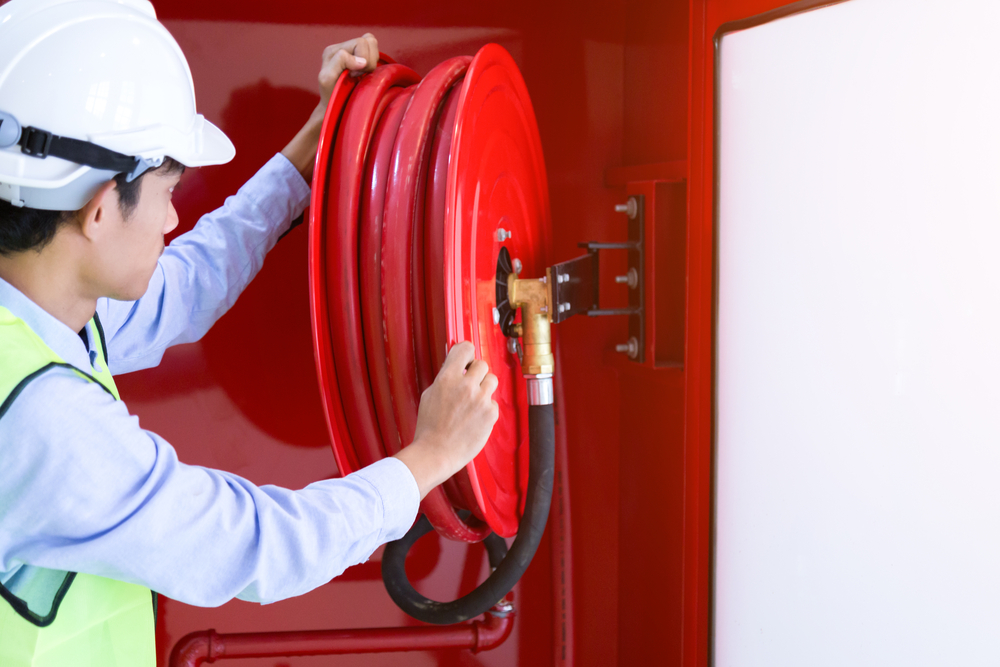
- To Keep Your Property Safe During an Emergency Situation
Installing fire hose reels and fire hydrants on your property is crucial for protecting lives and assets during a fire emergency. A readily accessible fire hose reel system enables an immediate response, helping control small fires before they spread and cause severe damage. This early intervention can significantly reduce structural loss, smoke damage, and overall repair costs.
Even if a fire hydrant is not installed directly in front of a residential or commercial building, for first-response firefighting.
These systems are especially valuable in commercial buildings, warehouses, factories, and multi-story facilities across the USA, where fire spread can be rapid. Proper installation of fire hydrant systems and hose reels also helps property owners meet fire safety compliance requirements while improving overall emergency preparedness.
- To Save Time When Fighting Fires
Time is one of the most critical factors in any fire emergency. Having fire hose reels and fire hydrants installed on site helps eliminate delays that can occur when firefighters need to rely solely on water carried by fire trucks. A nearby fire hydrant provides immediate access to a continuous and high-pressure water supply, allowing firefighting teams to act without interruption.
Similarly, a fire hose reel enables building occupants or trained staff to begin fire suppression efforts before emergency services arrive.
This rapid response can prevent a small fire from escalating into a large-scale disaster. By reducing the time spent locating water sources, fire hose reel systems and fire hydrants help save valuable minutes that can ultimately protect lives, property, and critical infrastructure.
- To Increase the Effectiveness of Firefighting Efforts
The presence of properly installed fire hose reels and fire hydrants significantly enhances the effectiveness of firefighting operations. These systems allow firefighters to access water quickly and efficiently, without the need to repeatedly return to their vehicles for refills. As a result, firefighting efforts become more focused, coordinated, and impactful.
A well-designed fire hydrant system ensures consistent water pressure, supporting continuous fire suppression even during prolonged emergencies.
Meanwhile, fire hose reels provide controlled water flow, making them ideal for indoor fire response and initial containment. Together, these systems reduce downtime, improve response efficiency, and support safer working conditions for firefighters. This integrated approach to fire protection in the USA is essential for minimising damage and ensuring faster recovery after a fire incident.
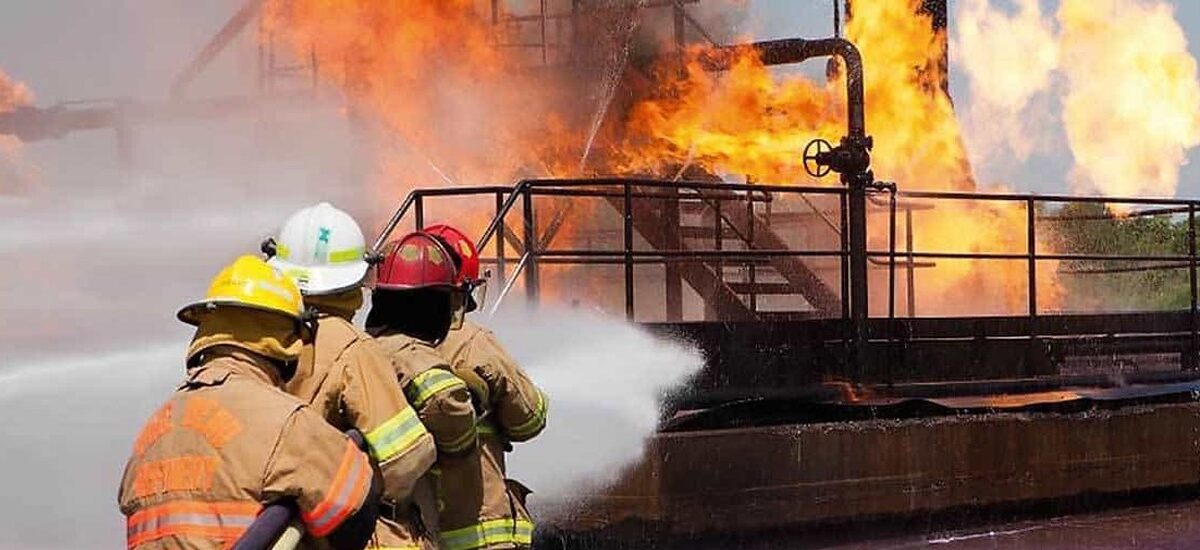
- To Make Sure There Is Enough Water Available for Firefighters
One of the primary reasons fire hose reels are installed is to ensure a reliable and sufficient water supply during a fire emergency. A properly designed fire hose reel system can store and deliver large volumes of water when immediate action is required. This is especially important in commercial and industrial facilities where fires can escalate quickly.
When planning to install fire hose reels, it is essential to select a system with adequate hose length and water capacity to handle different fire intensities. Larger fire hose reels can supply more water over extended periods, making them more effective for larger or high-risk fire scenarios. Combined with an external fire hydrant system, these installations help ensure firefighters always have sufficient water to control and extinguish fires efficiently.
- To Prevent Damage Caused by Inadequate Water Pressure During an Emergency Situation
Adequate water pressure is critical for effective firefighting. Poor pressure can delay fire suppression efforts and increase the risk of property loss. Installing fire hose reels and fire hydrants ensures that water flow remains consistent and powerful during emergencies.
A properly engineered fire hydrant system is designed to deliver water at sufficient pressure to support continuous firefighting operations. Similarly, fire hose reel systems regulate water flow to maintain control and safety during use. When these systems are installed and maintained correctly, they help prevent damage caused by insufficient water pressure and support reliable fire protection in the USA.
- To Prevent Unnecessary Damage Caused by Improper Use of Water Supply During an Emergency
In emergency situations, untrained individuals may attempt to use household water taps to fight a fire, often leading to ineffective fire suppression and unnecessary water damage. Domestic water systems are not designed to handle the volume or pressure required to control fires, which can worsen the situation.
Fire hose reels help prevent this issue by providing a dedicated firefighting water source that is easily accessible but properly controlled. Unlike regular taps, a fire hose reel system delivers a steady, manageable water flow specifically designed for firefighting. This reduces the risk of accidental flooding while improving fire response efficiency.
- To Reduce Damage Caused by Flooding From Broken Pipes
Fire-related incidents can sometimes result in damaged or burst pipes, leading to flooding that causes extensive property damage. Water intrusion can weaken building structures, damage electrical systems, and promote mould growth if not managed properly.
The use of fire hose reels and fire hydrants helps limit reliance on internal plumbing during emergencies, reducing stress on household or commercial water pipes. By directing firefighting efforts through dedicated fire protection systems, property owners can reduce the risk of flooding from broken pipes and minimise secondary damage following a fire.
Importance of Fire Hose Reels and Fire Hydrants in Meeting US Fire Safety Compliance
In the United States, fire safety is governed by strict regulations designed to protect lives, property, and public infrastructure. Installing and maintaining fire hose reels and fire hydrants is not just a safety decision but also a compliance requirement for many residential, commercial, and industrial buildings. These systems play a key role in meeting US fire codes, reducing liability, and ensuring emergency readiness.
Compliance With NFPA Fire Safety Standards
The National Fire Protection Association (NFPA) sets widely adopted fire safety standards across the USA. Fire hydrant systems are addressed under NFPA guidelines that specify requirements for water supply capacity, flow rates, pressure levels, spacing, and accessibility. Fire departments rely on compliant fire hydrants to deliver uninterrupted water flow during emergencies, especially in high-density or commercial areas.
Similarly, fire hose reels are included in many buildings’ internal fire protection systems. When installed correctly, a fire hose reel system supports early-stage fire control, allowing trained occupants to suppress fires before they spread. Compliance with NFPA standards ensures that hose reels are properly positioned, supplied with sufficient water pressure, and ready for immediate use.
Failure to meet NFPA fire safety requirements can result in failed inspections, fines, increased insurance premiums, and higher risk during emergencies.
Alignment With OSHA Workplace Safety Regulations
The Occupational Safety and Health Administration (OSHA) requires employers to provide a safe work environment, including adequate fire protection measures. In workplaces such as factories, warehouses, offices, and commercial facilities, the presence of fire hose reels and fire hydrants demonstrates compliance with OSHA fire prevention and emergency response standards.
A properly installed fire hose reel allows employees to respond quickly to small fires without waiting for external firefighting services. This reduces risk to workers and helps employers meet their legal duty of care. OSHA also emphasises clear access, proper signage, and routine maintenance of all fire protection systems, including hose reels and hydrants.
State and Local Fire Code Requirements in the USA
In addition to national standards, state and local fire codes often impose specific requirements for fire hydrant installation and fire hose reel systems. These regulations may dictate hydrant spacing, minimum water pressure, flow-testing schedules, and system inspections.
Local fire marshals typically inspect buildings to ensure fire hose reels and fire hydrants are functional, accessible, and compliant. Properties that do not meet these standards may face occupancy delays, operational shutdowns, or penalties. Installing compliant fire protection systems helps streamline approvals and ensures smoother interactions with local authorities.
Insurance and Liability Considerations
Insurance providers in the USA place significant emphasis on fire safety compliance when underwriting policies. Buildings equipped with certified fire hose reels and fire hydrants are often viewed as lower risk, which can lead to reduced insurance premiums and better coverage terms.
In the event of a fire, having compliant fire protection systems can also reduce legal liability. Property owners who fail to install or maintain fire hose reels and fire hydrants may be held responsible for preventable damage or injuries. Compliance demonstrates proactive risk management and strengthens legal protection.
Importance of Regular Inspection and Maintenance
Compliance does not end with installation. Fire hose reels and fire hydrants must be inspected, tested, and maintained regularly to remain compliant with US fire safety regulations. Routine maintenance ensures that hoses are not damaged, valves operate correctly, and water pressure meets required standards.
Neglected fire hydrant systems can suffer from blockages, corrosion, or pressure loss, making them ineffective during emergencies. Regular inspections help identify issues early and ensure the system performs reliably when needed most.
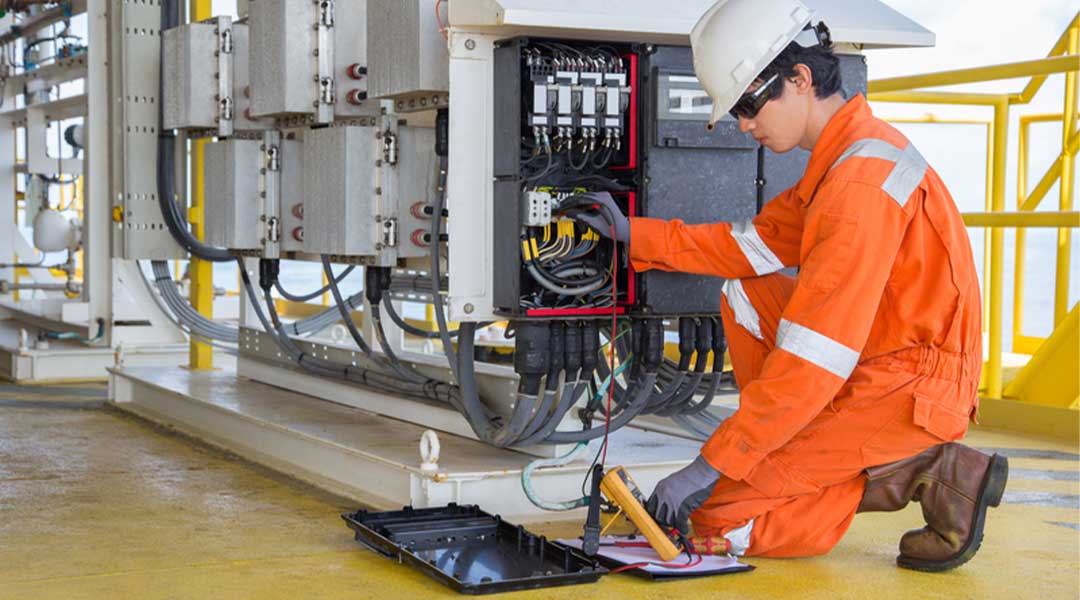
Supporting Emergency Response and Community Safety
Beyond compliance, fire hose reels and fire hydrants support broader community safety efforts. Fire departments rely on compliant fire hydrants to protect entire neighbourhoods, not just individual properties. Well-maintained systems improve emergency response times and reduce the overall impact of fires on surrounding areas.
By investing in compliant fire hose reel systems and fire hydrant installations, property owners help make communities safer while fulfilling their legal and ethical responsibilities.
Why US Compliance Should Never Be Overlooked
Meeting US fire safety compliance standards is not optional. It is a critical aspect of responsible property ownership and facility management. Fire hose reels and fire hydrants are fundamental components of compliant fire protection systems, helping ensure readiness, reliability, and safety during emergencies.
From NFPA guidelines and OSHA regulations to state-level fire codes and insurance requirements, compliance impacts every aspect of fire safety planning in the USA. Properly installed and maintained fire hose reels and fire hydrants protect lives, reduce damage, and provide peace of mind.
Frequently Asked Questions About Fire Hose Reels and Fire Hydrants
Are fire hose reels mandatory in the USA?
The requirement for fire hose reels in the USA depends on the building type, occupancy classification, and local fire codes. While not mandatory in all residential properties, fire hose reels are commonly required in commercial, industrial, and multi-story buildings to support early fire response. Local authorities and fire marshals determine specific requirements in accordance with NFPA standards and state regulations.
Are fire hydrants required for all buildings in the United States?
Fire hydrants are typically required for commercial properties, large residential developments, and public buildings. Local fire codes specify hydrant spacing, water flow, and pressure requirements. In areas without public water mains, alternative fire protection systems may be required to ensure an adequate water supply during emergencies.
What is the difference between a fire hose reel and a fire hydrant?
A fire hose reel is an internal firefighting system designed for immediate use inside a building. It provides controlled water flow for early-stage fire suppression. A fire hydrant, on the other hand, is an external water supply point used primarily by professional firefighters to deliver large volumes of water during major fire incidents. Both systems serve different but complementary roles in fire safety.
How often should fire hose reels and fire hydrants be inspected?
In the USA, fire hose reels and fire hydrants should be inspected and tested regularly to comply with fire safety regulations. Most fire codes require annual inspections, with additional flow testing and maintenance performed at scheduled intervals. Local fire authorities may impose stricter inspection requirements based on risk level and occupancy type.
Do fire hose reels require maintenance even if they are not used?
Yes. Fire hose reels must be maintained even if they are not frequently used. Hoses can degrade over time, valves may seize, and water pressure can fluctuate. Routine maintenance ensures that the fire hose reel system functions correctly during emergencies and remains compliant with US fire safety standards.
Can fire hose reels be used by building occupants?
Fire hose reels are designed for use by trained building occupants or staff during the early stages of a fire. They are not intended to replace professional firefighting services, but can help control small fires until firefighters arrive. Proper training and clear signage are essential to ensure safe and effective use.
What happens if a building does not comply with fire safety regulations?
Failure to comply with fire safety regulations in the USA can result in fines, failed inspections, increased insurance costs, or building closure. Non-compliant fire hose reels and fire hydrants can also increase liability in the event of a fire-related incident. Maintaining compliant fire protection systems helps reduce legal and financial risks.
Do fire hose reels and fire hydrants affect insurance premiums?
Yes. Insurance providers often consider the presence and condition of fire hose reels and fire hydrants when assessing risk. Buildings with compliant and well-maintained fire protection systems may qualify for lower insurance premiums and better coverage terms.
Can fire hose reels and fire hydrants be installed in existing buildings?
Yes. Fire hose reels and fire hydrants can be retrofitted into existing buildings, depending on water supply capacity and structural layout. A professional fire safety assessment is usually required to determine the best installation approach while meeting US compliance requirements.
Conclusion
Ensuring the ongoing readiness of fire hose reels and fire hydrants is vital for protecting life and property and for meeting US fire safety compliance requirements. Regular inspections, functional testing, and documented maintenance help verify that fire protection systems perform when needed most. Building owners, facility managers, and fire safety teams should partner with qualified professionals to align maintenance practices with NFPA standards, local fire codes, and insurance requirements.
Dewick & Associates provides expert support for fire protection compliance, offering customised operational and maintenance guidance, detailed inspection protocols, and compliance documentation to help organisations maintain safe and compliant fire protection systems throughout the life of their facilities.
Get to know more about Dewick
Dewick supports contractors, consultants, and owners by removing the burden of O&M manuals, construction closeout, and handover documentation. Our team of experienced client coordinators, engineers, and technical writers works alongside your project team to deliver accurate, compliant documentation without disrupting construction programs.