
Top Business Lighting Maintenance Tips Trusted by
US Commercial Facilities
The top condition of your business lighting fixtures can truly light up your business.
The top condition of your business lighting fixtures can truly light up your business. Commercial lighting maintenance is not optional for companies that want to operate efficiently and safely. Regular upkeep helps ensure your lighting system functions properly across offices, warehouses, retail spaces, and industrial facilities.
A well-maintained commercial lighting system directly supports productivity by creating a safe and comfortable working environment. Poor or inconsistent lighting can disrupt workflows, increase safety risks, and reduce employee performance.
At the same time, business lighting maintenance plays a major role in controlling operational costs by preventing premature failures and reducing energy waste.
Beyond functionality, professional lighting maintenance improves the visual appeal of your space. Your commercial lighting influences how customers perceive your brand the moment they walk in. Outdated or malfunctioning lights can create a negative impression, while clean, efficient lighting helps establish trust and professionalism.
To help you maintain high-performing systems, we have outlined practical business lighting maintenance tips that will enhance efficiency, improve safety, and keep your facility operating at its best. When your lighting performs well, your business is positioned to shine.

The Importance of Lighting Maintenance
Businesses that operate without a clear business lighting maintenance strategy often put critical aspects of their operations at risk. Poor or inconsistent commercial lighting maintenance can lead to reduced employee productivity, higher energy consumption, and long-term damage to vision and workplace safety. Over time, these issues can directly impact operational efficiency and employee well-being.
Inadequate lighting system maintenance frequently results in unnecessary utility expenses due to inefficient fixtures and outdated components. Proper business lighting maintenance helps reduce energy waste, extends the lifespan of lighting equipment, and supports cost control across commercial facilities. For many businesses in the USA, this translates into measurable savings on monthly energy bills.
Lighting also has a strong connection to workplace performance. A reliable and well-maintained commercial lighting system creates an environment that supports alertness, focus, and visual comfort. Poor lighting conditions, such as flickering lights or uneven brightness, can strain vision and lower productivity over time. Implementing a structured lighting maintenance plan, supported by consistent inspections and timely upgrades, is essential for maintaining lighting efficiency and long-term business success.
- Bulb Check
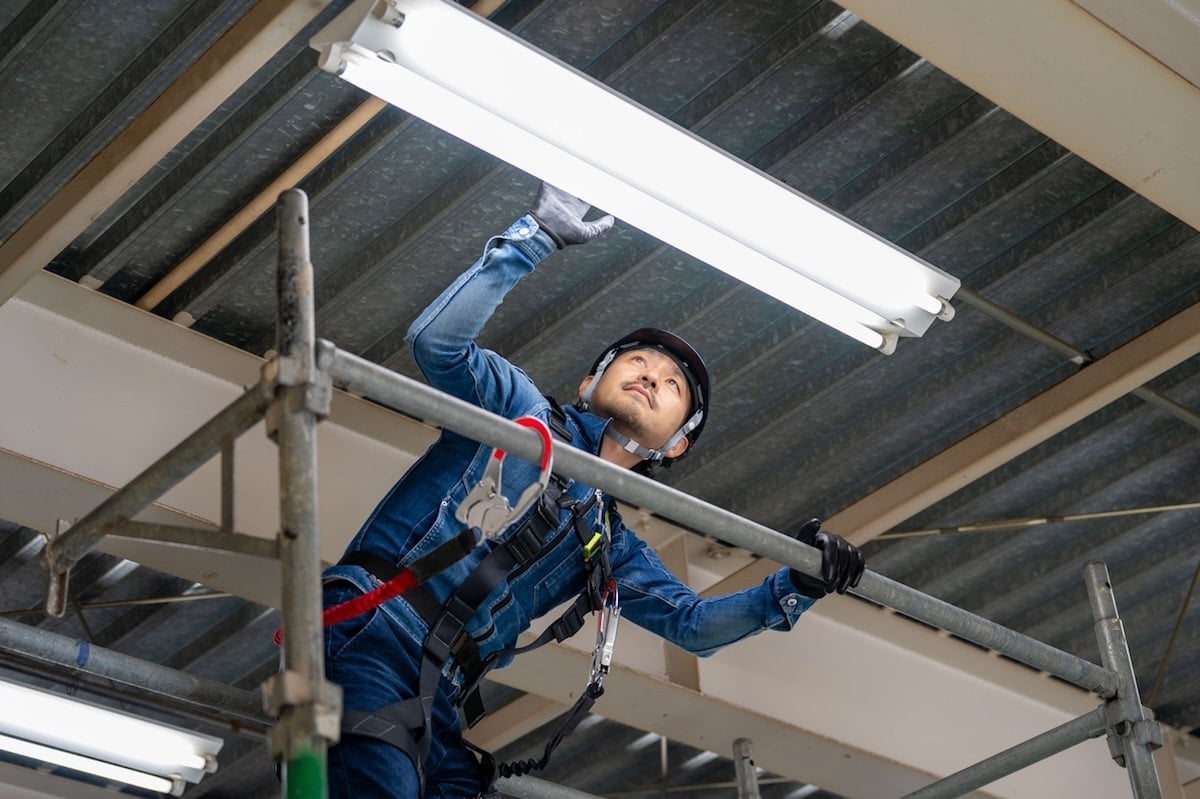
One of the most basic yet most overlooked steps in business lighting maintenance is performing regular bulb checks. Inspecting bulbs allows you to identify issues such as burned-out lamps, loose fittings, dim output, or flickering lights before they escalate into larger electrical problems.
Routine bulb inspections help uncover whether issues stem from simple wear and tear or from deeper electrical or wiring concerns. Problems such as poor connections or incompatible components can reduce intended brightness and negatively affect visibility, ultimately compromising proper commercial lighting maintenance.
By scheduling consistent bulb checks, businesses can address lighting problems early and prevent unexpected disruptions. This proactive approach keeps operations running smoothly and minimises downtime caused by lighting failures. Regular inspections also help identify opportunities for system improvements, making bulb checks a foundational part of an effective lighting maintenance strategy.
- The Right Bulbs Matter
Selecting the correct lighting type is a critical part of commercial lighting maintenance. Different bulbs offer different performance levels, energy efficiency, and lifespan. Traditionally, fluorescent tubes were popular due to their low upfront cost and strong light output. However, many businesses are now transitioning to LED lighting systems.
LED lighting offers significantly longer lifespan, lower heat generation, and reduced energy consumption compared to traditional fluorescent options. These benefits lead to lower lighting maintenance costs and long-term utility savings, making LEDs a smart investment for commercial and industrial facilities.
Although LEDs may have a higher initial cost, their durability and efficiency quickly offset the expense. Studies have also shown that LED commercial lighting improves visual clarity, cognitive performance, and overall workplace productivity. Choosing the right LED lighting supplier and integrating LEDs into your lighting maintenance plan can deliver consistent performance while reducing operational strain.
- Ensure Component Compatibility
Maintaining compatibility between existing and replacement components is essential for effective lighting system maintenance. Every part of a commercial lighting system must align with the original specifications, including bases, connectors, pins, and voltage requirements.
Installing incompatible components can lead to performance issues, reduced efficiency, and even safety risks. Not all lighting components are interchangeable, and improper replacements can cause flickering, overheating, or premature system failure.
Before making any changes, ensure that all new components meet the requirements of your existing business lighting infrastructure. Proper compatibility helps maintain system stability, prevents unnecessary damage, and ensures that upgrades deliver positive results rather than costly setbacks.
- Don’t Forget to Clean the Fixtures
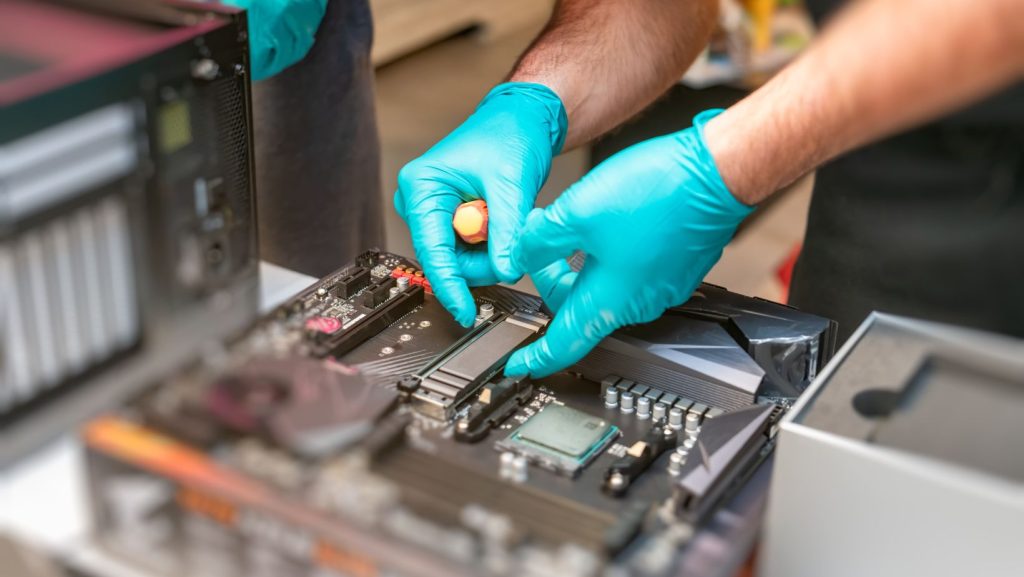
Regular cleaning is a crucial yet often underestimated part of business lighting maintenance. Dust, dirt, and debris buildup on commercial lighting fixtures can significantly reduce light output, making spaces appear dim and unprofessional. This not only creates a poor impression on customers and visitors but also undermines the overall performance of the lighting system.
Accumulated dirt can also trap heat, increasing the risk of overheating bulbs and shortening their lifespan. Over time, neglected fixtures are more likely to fail completely, leading to avoidable replacements and downtime. As part of proper commercial lighting maintenance, lenses, diffusers, and housings should be wiped down regularly to maintain optimal brightness and heat dissipation.
Routine cleaning does not require significant time or resources, yet it plays a major role in extending fixture life and ensuring consistent performance. Clean fixtures allow your business lighting system to operate at full capacity, supporting both energy efficiency and workplace safety.
- Check Performance and Preset Functions
Monitoring system performance is an essential component of professional lighting maintenance and should be conducted at least once a year. Key components such as drivers, transformers, and ballasts should be inspected to identify early signs of wear, inefficiency, or failure.
In addition to hardware checks, it is equally important to evaluate lighting control systems. Dimmers, timers, occupancy sensors, and automated presets must be monitored to ensure they are functioning as intended. Malfunctioning controls can lead to inconsistent lighting levels, wasted energy, and unnecessary strain on the system.
Regular performance evaluations help prevent unexpected breakdowns and allow businesses to make timely adjustments. Proactive lighting system maintenance ensures reliable operation, extends equipment lifespan, and supports long-term cost efficiency.
- An Effective Lighting Maintenance Policy
While individual maintenance tasks are important, long-term success depends on having a clear lighting maintenance policy. This policy serves as a structured roadmap that guides your team through every aspect of commercial lighting maintenance, ensuring consistency and accountability.
An effective business lighting maintenance policy should include detailed documentation and procedures that support efficient system management, including:
- Facility blueprints outlining lighting layouts and electrical zones.
- A complete inventory of fixtures and lighting control systems.
- A list of equipment suppliers, service providers, and utility contacts.
- Standard procedures for cleaning, relamping, and deballasting fixtures.
- Guidelines for sensor calibration and lighting control adjustments.
- Proper handling and disposal procedures for lamps and ballasts.
By implementing a well-defined maintenance policy, businesses can reduce operational risks, improve system reliability, and ensure compliance with safety and environmental standards. A documented approach to lighting maintenance helps streamline inspections, simplifies upgrades, and supports sustainable facility management.
American Standards and Regulations for Commercial Lighting Maintenance
In the United States, commercial lighting maintenance is not just about performance and aesthetics. It is closely tied to national safety standards, energy regulations, and workplace compliance requirements. Businesses that ignore these standards risk safety violations, higher operating costs, and potential legal exposure. Understanding and aligning with American lighting standards is essential for maintaining safe, efficient, and compliant facilities.
OSHA Requirements and Workplace Safety
The Occupational Safety and Health Administration (OSHA) plays a central role in regulating workplace lighting conditions. OSHA requires employers to provide adequate lighting to ensure safe movement, clear visibility, and areduced risk of accidents. Poorly maintained or insufficient lighting can contribute to slips, trips, and falls, as well as equipment-related injuries, all of which may result in compliance issues.
Regular business lighting maintenance helps ensure lighting levels meet OSHA’s expectations for task visibility, emergency egress, and general workplace safety. Flickering lights, dark zones, or inconsistent illumination can be viewed as safety hazards. Proactive inspections and repairs are key to maintaining compliance and protecting employees.
National Electrical Code (NEC) Compliance
The National Electrical Code (NEC), published by the National Fire Protection Association, sets the foundation for safe electrical installations across the United States. While the NEC primarily governs installation, it also has direct implications for lighting system maintenance.
Improper replacements, incompatible components, or neglected wiring can create fire hazards and code violations. Maintaining compatibility between fixtures, ballasts, drivers, and controls is essential for ongoing NEC compliance. Regular inspections help identify deteriorating wiring, loose connections, or outdated components before they become serious risks.
For businesses, adhering to NEC guidelines through consistent commercial lighting maintenance reduces the likelihood of electrical failures and supports long-term system reliability.
Energy Efficiency Standards and Federal Guidelines
Energy efficiency is a major focus of US lighting regulations. The Department of Energy (DOE) sets efficiency standards for lighting products used in commercial and industrial environments. These standards encourage the adoption of high-efficiency systems such as LED commercial lighting, which consume less energy and require less frequent maintenance.
Routine lighting maintenance ensures that fixtures continue to operate at their rated efficiency levels. Dust buildup, driver performance issues, or outdated components can significantly reduce energy performance, undermining compliance with federal efficiency standards. Maintaining efficient systems helps businesses lower energy costs while aligning with national sustainability goals.
ASHRAE Standards and Lighting Controls
The American Society of Heating, Refrigerating and Air-Conditioning Engineers (ASHRAE) publishes widely adopted standards that impact commercial lighting, particularly ASHRAE Standard 90.1. This standard emphasises energy-efficient lighting design and the proper use of controls, such as occupancy sensors, timers, and daylight-harvesting systems.
To remain compliant, businesses must ensure that lighting control systems function correctly over time. Malfunctioning sensors or overridden presets can lead to excessive energy use and noncompliance. As part of professional lighting maintenance, regular testing and recalibration of controls are essential.
ADA and Accessibility Considerations
The Americans with Disabilities Act (ADA) also influences lighting maintenance practices. Adequate and consistent lighting is necessary to support safe navigation for individuals with visual impairments. Poor lighting conditions can make walkways, entrances, restrooms, and stairwells unsafe or inaccessible.
Maintaining proper illumination levels through consistent commercial lighting maintenance helps businesses meet accessibility expectations while promoting inclusivity and safety for all occupants.
Environmental and Disposal Regulations
Lighting maintenance in the US must also account for environmental regulations, particularly when dealing with older fluorescent lamps and ballasts. These components may contain hazardous materials and must be disposed of in accordance with federal and state guidelines.
A structured lighting maintenance policy should include proper disposal procedures that align with Environmental Protection Agency expectations. Transitioning to LED lighting systems simplifies compliance, as LEDs typically require less specialised disposal and offer longer service life.
Why Compliance-Based Lighting Maintenance Matters
Aligning business lighting maintenance with American standards delivers more than regulatory compliance. It reduces safety risks, improves energy efficiency, extends equipment lifespan, and supports a professional business environment. Companies that invest in compliant commercial lighting maintenance are better positioned to avoid fines, reduce liability, and maintain uninterrupted operations.
By staying informed about OSHA, NEC, DOE, ASHRAE, and ADA requirements, businesses can ensure their lighting systems meet current standards while remaining adaptable to future regulations. A proactive, standards-based approach to lighting maintenance is an investment in safety, efficiency, and long-term operational success.
Frequently Asked Questions About Business Lighting Maintenance
What is business lighting maintenance?
Business lighting maintenance refers to the ongoing inspection, cleaning, repair, and replacement of lighting components in commercial and industrial facilities. This includes fixtures, bulbs, drivers, ballasts, wiring, and lighting controls. Proper maintenance ensures consistent performance, safety, energy efficiency, and compliance with American lighting standards.
How often should commercial lighting be maintained?
Most commercial lighting systems should be inspected at least once a year. High-traffic or industrial environments may require more frequent checks. Routine tasks such as bulb inspections and fixture cleaning should be performed regularly, while more detailed lighting system maintenance involving drivers and controls is typically done annually.
Why is lighting maintenance important for workplace safety?
Proper commercial lighting maintenance helps prevent accidents caused by poor visibility, flickering lights, or dark areas. Adequate lighting supports OSHA safety expectations and reduces the risk of slips, trips, and falls. Well-maintained lighting also improves visual comfort, reducing eye strain and fatigue among employees.
Can poor lighting maintenance increase energy costs?
Yes. Neglected fixtures, failing components, and dirty lenses can significantly reduce efficiency. Without proper business lighting maintenance, systems consume more energy to deliver less light. Routine maintenance and upgrades, especially to LED lighting systems, help lower utility costs and improve overall energy performance.
Are LED lights easier to maintain than fluorescent lighting?
LED commercial lighting requires significantly less maintenance than traditional fluorescent systems. LEDs have a longer lifespan, produce less heat, and are less prone to sudden failure. As a result, businesses benefit from reduced lighting maintenance costs and fewer interruptions.
What American standards apply to commercial lighting maintenance?
Several US standards influence commercial lighting maintenance, including OSHA workplace safety requirements, the National Electrical Code (NEC), Department of Energy efficiency guidelines, ASHRAE standards, and ADA accessibility considerations. Following these standards helps ensure safety, efficiency, and regulatory compliance.
What are the risks of ignoring lighting maintenance?
Ignoring lighting system maintenance can lead to safety hazards, increased energy costs, reduced productivity, and potential code violations. Over time, neglected systems are more likely to fail, resulting in costly repairs and unplanned downtime.
What should a lighting maintenance plan include?
A comprehensive lighting maintenance plan should include regular inspections, cleaning schedules, component replacement guidelines, control system checks, and proper disposal procedures. It should also document fixture locations, supplier contacts, and compliance considerations to ensure consistent and effective maintenance.
When should a professional handle lighting maintenance?
Professional commercial lighting maintenance services are recommended for complex systems, electrical inspections, control system diagnostics, and compliance-related upgrades. Trained professionals ensure safe handling, accurate repairs, and alignment with US electrical and safety standards.
Conclusion
Meeting American safety and efficiency standards requires more than installing quality fixtures. It depends on consistent, well-planned commercial lighting maintenance that keeps systems operating reliably over time. Regular inspections, cleaning routines, and timely component replacements play a critical role in reducing risk, improving energy performance, and extending the lifespan of lighting systems across commercial and industrial facilities.
Dewick supports businesses by taking a structured, preventive approach to lighting system maintenance. Instead of reacting to failures, Dewick helps facilities stay ahead through clearly documented maintenance procedures, on-site tracking tools, and practical guidance that supports long-term performance.
This approach allows facility teams to monitor lighting conditions, address issues early, and maintain compliance throughout the building’s life.
By aligning maintenance practices with recognised US standards and real-world operational needs, Dewick helps businesses maintain safer environments, control costs, and ensure their lighting systems continue to perform as intended year after year.
Get to know more about Dewick
Dewick supports contractors, consultants, and owners by removing the burden of O&M manuals, construction closeout, and handover documentation. Our team of experienced client coordinators, engineers, and technical writers works alongside your project team to deliver accurate, compliant documentation without disrupting construction programs.