
The Ultimate Guide on How to Maintain a Fire-Rated Door
in the US for 2026
Properly maintaining a code-compliant door system is vitally important for protecting a building’s structural integrity
Properly maintaining a code-compliant door system is vitally important for protecting a building’s structural integrity, the safety of its occupants, and the preservation of valuable assets during an emergency.
Any certified safety door can perform as intended only when kept in good condition, and even minor neglect can weaken its ability to slow the spread of smoke, heat, and fire.
Many property owners across the US rely on these life safety components to meet building requirements, reduce liability, and support ongoing compliance, which makes routine door maintenance and inspection a priority for 2026 and beyond.
A clear understanding of how a fire-rated door functions and how it contributes to overall building safety provides the foundation for proper care.
These commercial door systems are engineered to withstand extreme conditions for a specified period, giving occupants more time to evacuate and helping emergency teams respond effectively. Maintaining them is not just a best practice but a responsibility tied to facility management standards, insurance policies, and state regulations across the US.
This guide outlines the essential elements of door inspection and safety maintenance in a straightforward, practical way. You will learn why consistent checks matter, how proper upkeep supports long-term performance, and what steps help prevent common issues that lead to early wear.
From visual assessments to operational testing and hardware care, each part of the process strengthens your building’s passive safety system.
As you prepare for 2026, focusing on the condition of every safety-rated door ensures better operation, stronger compliance, and improved readiness for any emergency.
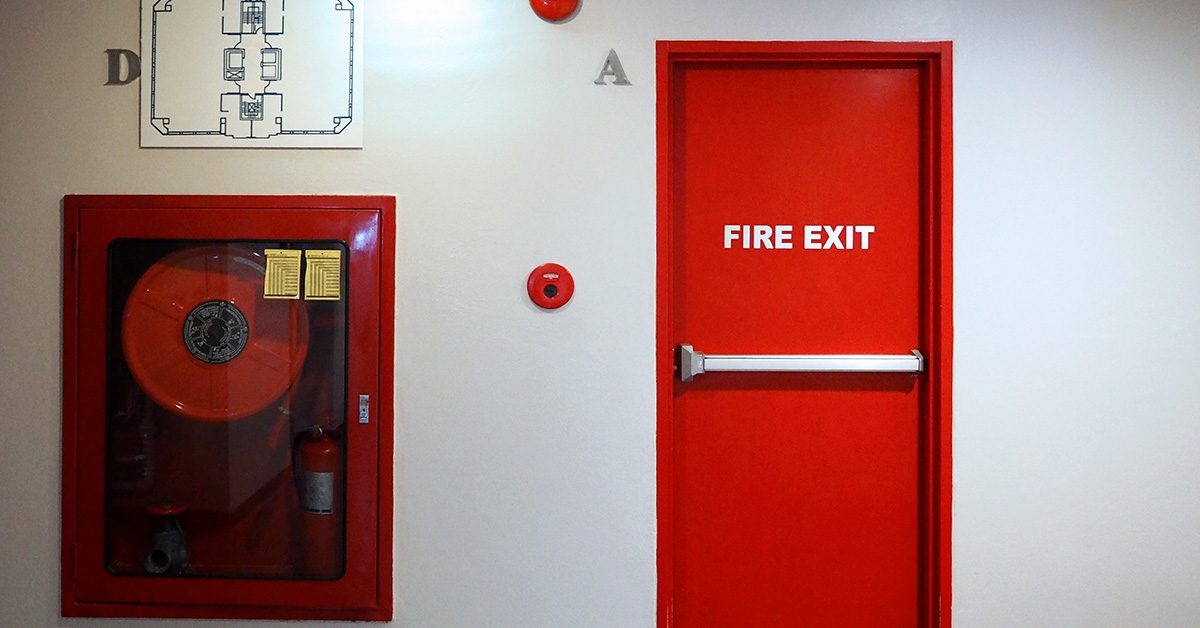
What Are Fire-Rated Doors
Rolling fire doors are a type of rolling steel door system engineered, tested, and approved by the appropriate authority for use as a fire-rated barrier. These doors are built to withstand smoke, heat, flames, and other hazardous conditions for a specified period, helping protect a building’s structure and support safe evacuation during an emergency.
When a fire-rated door is manufactured, it undergoes strict testing to confirm that it can maintain its integrity for a designated period.
Standard fire rating classifications include 4-hour, 3-hour, 1-1/2 hour, and 45-minute ratings, although the exact duration depends on the manufacturer and the type of commercial safety door being installed.
These ratings are essential for meeting building code requirements, supporting insurance compliance, and strengthening a facility’s overall life safety system.
Well-installed rolling safety doors serve as a crucial part of a building’s passive protection strategy. They help compartmentalise different areas, slow the movement of dangerous conditions, and provide valuable time for responders to take control of the situation.
Why Is Maintaining a Rated Door Vital to Its Operation
Understanding the importance of a fire-rated door and maintaining it in accordance with the National Fire Protection Association (NFPA) is essential for reliable performance.
These doors play a significant role in slowing the spread of fire, smoke, and heat throughout a building, and when they are not properly maintained, they cannot provide the protection they were designed for. A poorly maintained safety-rated door may fail to close fully, fail to respond to activation systems, and leave occupants and property vulnerable during an emergency.
Compliance with NFPA 80 outlines the expectations for testing and inspection of rolling fire doors. According to this standard, each door should be tested annually to confirm proper operation and complete closure.
Regular attention to these components helps build safety, strengthens your overall passive protection system, and reduces the risk of severe structural damage in a fire emergency.
Consistent upkeep is also essential for meeting building code requirements, supporting insurance policies, and ensuring that each commercial door system performs as intended when activated. For property managers and facility teams across the US, maintaining these doors is a critical part of day-to-day building safety practices.

4 Essential Maintenance Steps for Fire-Rated Doors
Before diving into the core procedures, building owners and facility teams can explore Dewick’s detailed resource titled “Maintaining Fire Doors: Ensuring Passive Fire Protection”, which offers a practical breakdown of inspection habits, safety guidelines, and long-term maintenance strategies.
This guide supports anyone looking to strengthen their passive protection system and ensure every fire-rated door performs as intended during an emergency.
STEP 1: VISUAL INSPECTION
Start by completing a thorough visual inspection of your rated door assembly, checking for anything out of place or that may pose a hazard during drop testing or daily operation. A careful review helps identify issues early and ensures the door remains compliant with safety regulations.
Things to look for:
- Mounting and assembly bolts are secure and not missing.
- Welds meet the manufacturer’s installation requirements for assemblies fixed to steel jambs.
- Fusible links are located and installed according to the manufacturer’s instructions.
- Guide assemblies include the required expansion clearance.
- Fusible links and sash chain or cable links are free of paint, grease, and dust, with no kinks or pinching.
- Smoke detectors and release devices activate correctly.
- Nothing unrelated to the door assembly is attached to the door, including ceiling components, ducting, fixtures, or conduits.
- There are no missing or damaged components on the safety-rated door.
STEP 2: OPERATIONAL CHECK
Open and close the door using standard operation. Look for signs of imbalance, unusual movement, or damaged hardware. If parts appear worn, if the door does not move smoothly, or if anything limits proper operation, a technician should address these issues before a drop test is performed.
It is essential to ensure your fire-rated door remains in complete working condition at all times in accordance with NFPA 80. Reliable operation supports overall building safety and reduces risk during an emergency.
STEP 3: DROP TEST
A drop test should be performed annually to verify that the door closes wholly and accurately when activated. This test confirms that the assembly can close fully with the bar resting on the sill and that the closing speed falls within the required range of six to twenty-four inches per second.
Although the following points provide a general overview, always refer to the specific instructions provided by the door manufacturer.
Things to remember:
- A trained technician must inspect and test all automatic closing features.
- Correct any issues found during the visual or operational check before completing the drop test.
- Component failure during testing is possible and may occur independently of technician work.
- Document the procedure using the DASMA Drop Test Form.
- Perform the test twice to verify full closure, proper operation, and accurate reset of automatic closing devices.
STEP 4: DOOR RESET
Reset the fire-rated door according to the manufacturer’s instructions. Once it is reset, open and close it through regular operation, conduct a second drop test, and reset again to confirm that the door is fully prepared for safe and reliable use.
Tips and Tools for Better Operation and Preparation
- Keep all door pathways clear
Obstructions around a rated door assembly can prevent the door from fully closing during an emergency. Make it a routine practice to keep the area free from storage items, carts, furniture, or temporary equipment.
- Train building staff on proper door usage
Ensure employees and maintenance teams understand how a fire-rated door operates, what triggers automatic closing, and why specific components must never be tampered with.
- Post visible signage near door systems
Simple reminders help occupants avoid blocking or propping open safety-rated doors. Clear signage also supports compliance and reduces misuse.
- Include door checks in your facility maintenance schedule
Adding routine inspections to your existing maintenance plan ensures that issues are identified early, long before annual testing or a real emergency.
- Use monitoring tools when available
Some commercial door systems offer sensors or indicators that alert facility teams to malfunctions. These tools help maintain reliable performance and support the development of safety programs.
- Address minor issues immediately
Small problems such as loose hardware, alignment concerns, or worn components can lead to bigger failures. Quick action protects the integrity of the door system.
- Encourage consistent communication among facility teams
Shared responsibility helps maintain door performance. When teams report issues quickly, it prevents overlooked hazards and supports safer building operations.
- Reference Dewick’s Fire Door Maintenance Infographic for on-site reminders
This visual guide offers easy tips that building staff can follow daily, helping reinforce safe behaviour around commercial safety doors.
Why Consistent Maintenance Protects Your Entire Building
Maintaining a fire-rated door is not only a compliance requirement but a crucial part of keeping any building safe and prepared for unexpected emergencies. When doors are inspected regularly, kept in proper working condition, and supported by clear best practices, they strengthen the entire passive protection system.
Building owners, facility managers, and safety teams across the US benefit from staying proactive with maintenance, documentation, and staff awareness. With the proper guidance and reliable support, every rated door assembly can perform as intended and provide valuable protection when it matters most. Dewick remains committed to helping property teams stay informed, prepared, and confident in the long-term safety of their door systems.
Get to know more about Dewick
Dewick supports contractors, consultants, and owners by removing the burden of O&M manuals, construction closeout, and handover documentation. Our team of experienced client coordinators, engineers, and technical writers works alongside your project team to deliver accurate, compliant documentation without disrupting construction programs.