
How to Maintain a Commercial Kitchen Exhaust System
in the United States
A commercial exhaust system plays a critical role in controlling heat, improving air quality, and reducing the buildup of flammable residues.
Commercial kitchens are high-intensity environments where large volumes of food are prepared every day. Along with producing meals, these kitchens generate grease-laden vapours, smoke, and airborne odours that must be removed efficiently.
A commercial exhaust system plays a critical role in controlling heat, improving air quality, and reducing the buildup of flammable residues. When properly maintained, this system supports safer working conditions, protects equipment, and helps kitchens operate without disruption.
Over time, grease and contaminants collect inside hoods, ducts, and exhaust fans. Without routine care, a commercial kitchen exhaust system can become a serious fire risk and a source of poor indoor air quality.
This is why kitchen duct cleaning is not just a best practice but a core requirement for maintaining hygiene and meeting fire safety standards across the United States. Regular cleaning helps prevent grease fires, reduces odours, and ensures compliance with regulations such as NFPA 96.
This guide outlines practical steps for commercial exhaust system maintenance, helping restaurant owners, facility managers, and foodservice operators understand how proper upkeep and scheduled kitchen duct cleaning contribute to long-term safety, efficiency, and regulatory compliance.
What Is Commercial Kitchen Duct Cleaning?
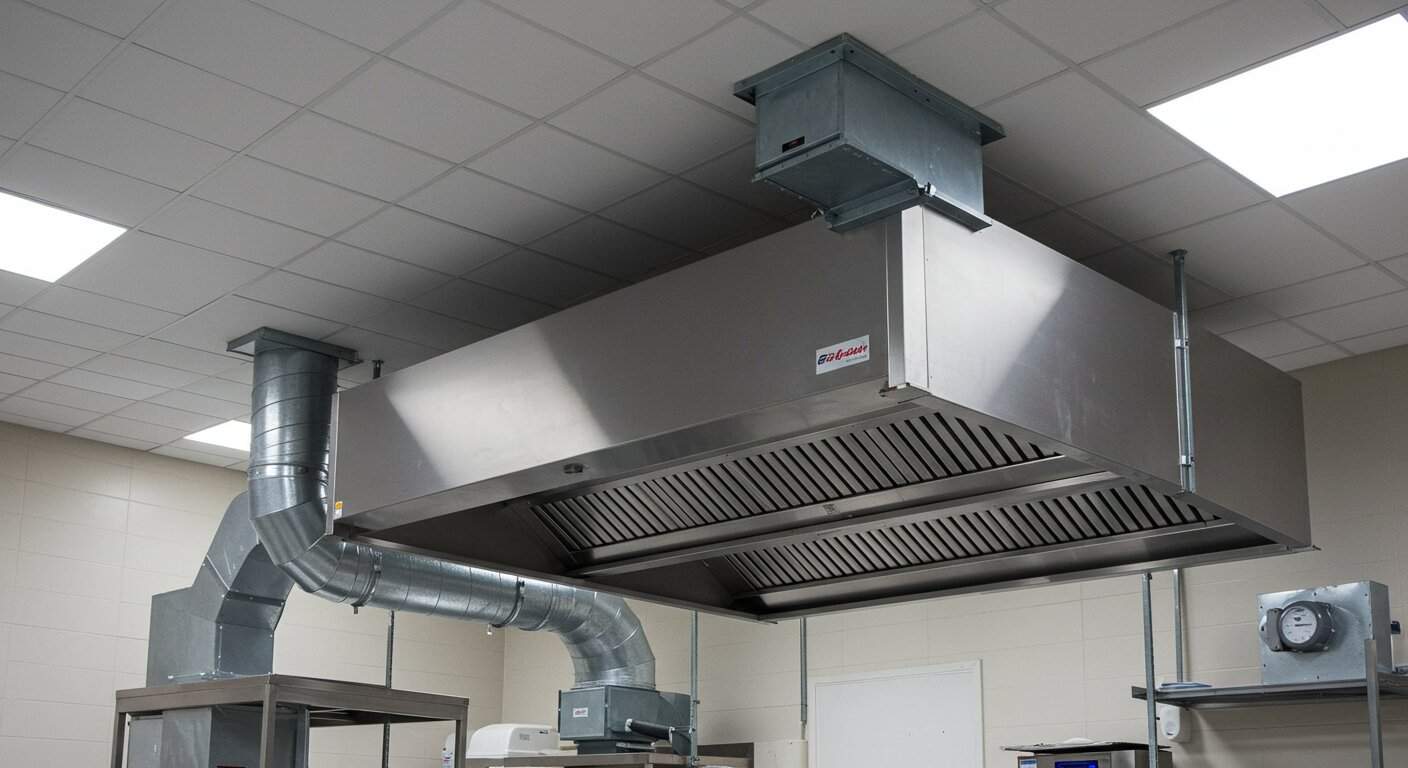
Commercial kitchen duct cleaning is the professional process of removing accumulated grease, food particles, and airborne contaminants from the internal components of a kitchen exhaust system.
This includes exhaust hoods, grease filters, ductwork, and exhaust fans that work together to vent heat, smoke, and grease-laden air out of a commercial kitchen. Because these substances are highly flammable, their buildup inside the system presents a serious fire hazard if not addressed regularly.
Unlike surface-level cleaning performed by in-house staff, kitchen duct cleaning requires specialised tools, degreasers, and access techniques designed for hard-to-reach areas within the exhaust system.
Trained technicians use high-pressure washing, steam cleaning, and food-safe chemical solutions to break down grease deposits and restore proper airflow. This thorough approach ensures that the entire commercial kitchen exhaust system functions as intended.
In addition to improving safety, routine commercial kitchen duct cleaning enhances ventilation efficiency, reduces lingering odours, and supports compliance with US fire and health regulations such as NFPA 96.
For restaurants, hotels, and foodservice facilities across the United States, regular duct cleaning is critical to maintaining a clean, compliant, and efficient kitchen environment.
The Importance of Regular Kitchen Duct Cleaning
Routine kitchen duct cleaning is a critical part of maintaining a safe, compliant, and efficient commercial kitchen. In the United States, fire safety regulations and health standards place strong emphasis on the condition of exhaust systems due to the high risk of grease accumulation. Regular cleaning helps protect people, property, and business continuity.
- Fire Safety
Grease buildup inside a commercial kitchen exhaust system is one of the most common causes of kitchen fires. As grease accumulates along duct walls, exhaust hoods, and fans, it becomes highly flammable and can ignite from normal cooking temperatures or open flames.
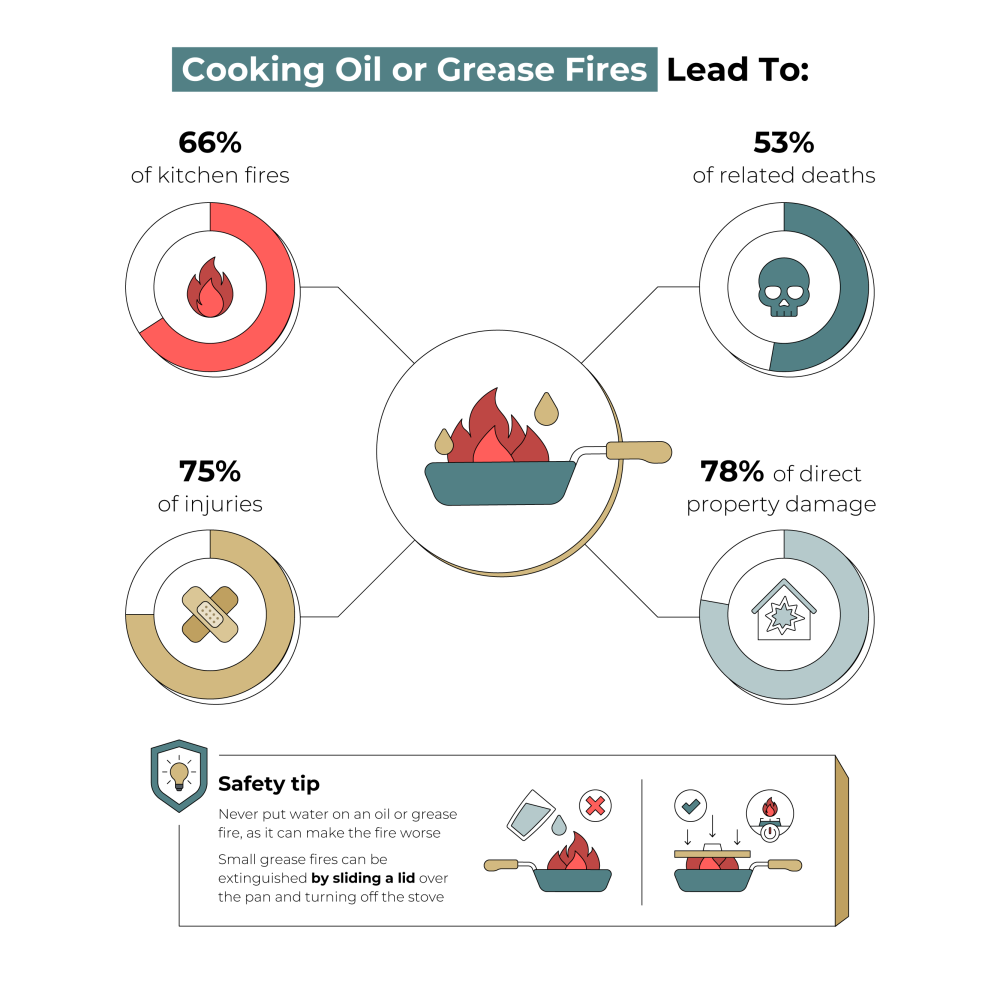
The National Fire Protection Association reports that cooking oil and grease fires account for approximately 75% of civilian injuries and 78% of direct property damage related to cooking fires in the United States. Consistent commercial kitchen duct cleaning significantly lowers this risk by removing combustible residues before they become a threat, creating a safer working environment for staff and a safer dining space for customers.
- Health and Safety Compliance
US health departments, fire marshals, and insurance providers often require routine inspection and cleaning of exhaust systems. Failure to maintain proper kitchen duct cleaning schedules can result in fines, failed inspections, forced shutdowns, or increased insurance premiums.
Compliance with standards such as NFPA 96 helps ensure that grease removal meets nationally recognised safety guidelines. Maintaining a documented commercial kitchen exhaust system cleaning program also demonstrates due diligence during inspections and audits.
- Improved Air Quality
When grease, smoke, and airborne particles become trapped inside clogged ductwork, they recirculate back into the kitchen and dining areas. This leads to poor indoor air quality, unpleasant odours, and increased exposure to airborne contaminants.
Regular kitchen duct cleaning improves airflow and ventilation efficiency, helping remove heat and pollutants more effectively. Cleaner air supports employee health, reduces respiratory irritation, and creates a more comfortable experience for customers.
- Enhanced System Efficiency
A clean commercial exhaust system operates more efficiently by allowing air to move freely through hoods, ducts, and exhaust fans. Grease buildup forces equipment to work harder, increasing energy consumption and accelerating wear on motors and fans.
Routine commercial kitchen duct cleaning helps reduce strain on the system, lowers energy costs, and extends the lifespan of expensive kitchen equipment. Over time, improved efficiency translates into reduced maintenance expenses and better operational reliability.
Step-by-Step Guide to Maintaining Commercial Exhaust Systems
Proper maintenance of a commercial kitchen exhaust system requires consistency, documentation, and professional support. Following a structured approach helps reduce fire risk, improve ventilation performance, and maintain compliance with US safety standards.
Conduct Regular Inspections
Routine inspections are the first line of defence against grease-related hazards. Commercial kitchens should schedule inspections at least once every quarter to identify early signs of grease buildup, damaged components, or airflow restrictions.
Key inspection points include exhaust hoods, internal ductwork, grease filters, and exhaust fans. Catching issues early helps prevent costly repairs and reduces the likelihood of system failure during peak operating hours.
Clean Hood Filters Consistently
Hood filters are designed to capture grease before it enters the duct system, but they can only do so effectively when they are clean. In high-use kitchens, filters should be cleaned weekly, while in moderate-use operations, they may require bi-weekly cleaning. Clean filters allow proper airflow, reduce heat buildup, and minimise grease accumulation inside the commercial exhaust system.
Degrease the Hood and Internal Ductwork
While surface cleaning can be handled internally, professional kitchen duct cleaning is essential for removing grease from hard-to-reach areas inside the ductwork. Cleaning frequency should be based on cooking volume and fuel type, in alignment with NFPA 96 guidelines commonly enforced across the United States.
High-volume kitchens that use solid fuels typically require monthly cleaning. Facilities that operate around the clock often require quarterly service. Moderate-volume kitchens usually require semi-annual cleaning, while low-volume or seasonal operations may only need annual service. Adhering to the correct schedule helps ensure safety and regulatory compliance.
Inspect and Maintain Exhaust Fans
Exhaust fans play a critical role in maintaining airflow throughout the system. Regular checks should include inspecting belts, bearings, electrical connections, and fan blades for grease buildup or wear. Poorly maintained fans reduce ventilation efficiency and accelerate grease accumulation throughout the commercial kitchen exhaust system.
Document All Cleaning and Maintenance Activities
Accurate recordkeeping is a requirement for compliance in many US jurisdictions. Maintenance logs should document inspection dates, cleaning services performed, and any issues identified or resolved. These records are often requested by fire inspectors, health departments, and insurance providers to verify adherence to NFPA 96 and local regulations.
Why Commercial Kitchens Should Prioritise Professional Cleaning
Certified Expertise
Professional commercial kitchen duct cleaning providers are trained to safely and thoroughly clean complex exhaust systems. Their expertise ensures grease is removed from all system components while meeting nationally recognised fire and health standards in the United States.
Advanced Cleaning Methods
Professional cleaners use specialised equipment such as high-pressure washing systems, steam cleaning, and food-safe degreasers to access areas that are not reachable through routine in-house cleaning. This level of cleaning is essential for maintaining the long-term performance of a commercial exhaust system.
Detailed Post-Cleaning Reports
After service completion, professional providers typically supply detailed documentation outlining the work performed, system condition, and any areas requiring attention. These reports support compliance efforts and are often required during inspections or insurance reviews.
The Risks of Neglecting Kitchen Duct Cleaning
Increased Fire Hazards
Grease accumulation inside ductwork and exhaust fans is highly flammable. Without routine kitchen duct cleaning, even a minor flare-up can spread rapidly through the exhaust system, leading to extensive property damage and operational shutdowns.
Health Code Violations
Unclean ducts can harbour mould, bacteria, and airborne contaminants, compromising food safety and indoor air quality. These conditions frequently result in failed health inspections, fines, or mandatory closures for US commercial kitchens.
Higher Energy and Maintenance Costs
When grease restricts airflow, exhaust systems must work harder to perform basic ventilation functions. This leads to increased energy usage, faster equipment wear, and more frequent repairs. Regular commercial kitchen exhaust system maintenance helps control operating costs and extends equipment lifespan.
Partner With Dewick for Reliable Exhaust System Maintenance
Maintaining a commercial kitchen exhaust system is not just about cleanliness. It is about fire safety, regulatory compliance, and the protection of your people and property. Dewick works with commercial kitchens across the United States to deliver consistent, standards-driven exhaust system maintenance that supports safe operations and readiness for inspections.
Whether you manage a single restaurant or multiple facilities, Dewick provides the expertise, documentation, and service reliability needed to keep your exhaust systems operating as intended.
Contact Dewick to discuss a maintenance program designed around your kitchen’s usage, compliance requirements, and long-term safety goals.
Get to know more about Dewick
Dewick supports contractors, consultants, and owners by removing the burden of O&M manuals, construction closeout, and handover documentation. Our team of experienced client coordinators, engineers, and technical writers works alongside your project team to deliver accurate, compliant documentation without disrupting construction programs.