
How to Create Helpful Handover Documentation That Scales
Across US Organisations
Organisations across the United States face constant shifts driven by change management, employee turnover, and evolving workforce structures.
Organisations across the United States face constant shifts driven by change management, employee turnover, and evolving workforce structures.
To maintain continuity and avoid operational slowdowns, teams must depend on handover documentation that enables the smooth transfer of knowledge, responsibilities, and workflows with minimal disruption.
Whether the transition involves employee onboarding, a role change, or a project handover, clear, well-structured process documentation is critical for keeping US-based teams aligned. Without it, organisations risk delays, miscommunication, and the loss of institutional knowledge, which can impact productivity and customer outcomes.
In this guide, we will break down why handover documentation matters for US organisations, how to design and structure it effectively, and introduce practical handover documentation that can be adapted across departments and industries.

What Is Handover Documentation?
Handover documentation is a structured set of information created to transfer ownership of a role, task, or project from one individual or team to another. Its primary purpose is to ensure continuity, accountability, and clarity during organisational transitions.
This type of documentation typically captures critical details, including project scope, key responsibilities, timelines, deadlines, budgets, deliverables, known risks, and unresolved challenges. For US companies operating across distributed or hybrid teams, this information becomes especially important to maintain operational consistency.
The goal of effective handover documentation is to enable the incoming team or employee to quickly and confidently understand the current state of work and assume day-to-day responsibilities. When done correctly, it reduces ramp-up time, prevents errors, and supports long-term process continuity regardless of why the transition occurs.
High-quality handover documentation should be clear, concise, and tailored to the specific handover context. It should focus on relevance over volume, ensuring that US-based teams can access the information they need without unnecessary complexity or confusion.
Types of Handover Documentation
The type of handover documentation an organisation needs depends on factors such as industry, team structure, and the purpose of the transition. For US-based companies managing growth, restructuring, or workforce changes, selecting the right documentation format helps ensure continuity and operational clarity.
Below are the most common types of handover documentation used across modern US organisations.
- Knowledge Handover Documentation
Knowledge handover documentation, often called a knowledge transfer plan, is widely used during onboarding new employees or when transitioning responsibilities between teams. It is especially common in roles that rely on specialised expertise, institutional knowledge, or recurring workflows.
The goal of knowledge handover is to capture experience, insights, and best practices in a structured, easy-to-follow format. This allows the incoming employee or team to understand not just what tasks need to be done, but how and why they are performed in a specific way.
For US companies operating in fast-paced or regulated environments, robust knowledge-transfer documentation reduces training time and limits productivity gaps during transitions.
- Project Handover Documentation
Project handover documentation is used throughout a project lifecycle whenever responsibility moves from one team to another. This often occurs in US organisations with cross-functional teams, such as when a design team hands work over to development or when implementation moves to operations.
This type of documentation typically includes project goals, deliverables, timelines, dependencies, technical requirements, and open issues. Clear project handover documentation ensures that teams picking up the work can move forward without rework or delays.
In complex US-based projects, consistent project handovers help maintain momentum and accountability across departments.
- Offboarding Handover Documentation
When an employee leaves an organisation or transitions into a different role, a structured employee offboarding process becomes essential. Offboarding handover documentation plays a key role by capturing responsibilities, ongoing tasks, contacts, and practical insights accumulated over time.
This documentation helps HR teams and managers ensure that critical knowledge does not leave the organization with the departing employee. For US companies facing high employee turnover or rapid scaling, offboarding handovers help protect business continuity and team performance.
- Department Handover Documentation
Department handover documentation is used during organisational restructuring, mergers, or department closures. Its purpose is to ensure that responsibilities, workflows, and resources are transferred smoothly to a new or existing department.
This type of handover typically includes operational processes, tools, reporting structures, and performance metrics. For US enterprises undergoing reorganisation or consolidation, department handovers reduce disruption and help teams adapt faster to structural changes.
- Design Handover Documentation
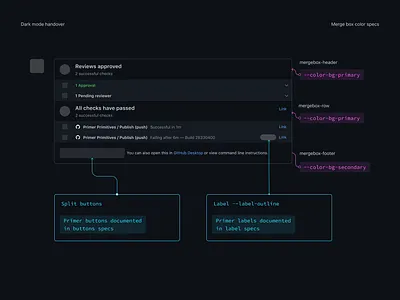
Design handover documentation is most common within product, UX, and marketing teams. It ensures that creative assets are transferred accurately from designers to developers, marketers, or external vendors.
This documentation often includes design specifications, typography, colour systems, layouts, animations, templates, and approved tools. For US-based product teams, clear design handoffs reduce inconsistencies, rework, and delays during development and launch.
In addition to these core categories, organisations may also rely on specialised forms of handover documentation, such as succession planning documents, sales-to-service handoffs, and financial handover documentation, depending on business needs and operational complexity.
6 Must-Have Elements of Handover Documentation
Effective handover documentation is not just a collection of notes. For US organisations managing employee transitions, role changes, or ongoing projects, it must be structured, practical, and easy to act on. While formats may vary, high-quality documentation consistently includes the following core elements.
- A Clearly Defined Scope of Duties and Responsibilities
The first priority for any successful handover is to give the successor complete clarity about what the role involves. Handover documentation should clearly outline daily responsibilities, recurring tasks, and expectations tied to the role or project.
This typically includes a comprehensive overview of tasks and their purpose, the skills required to perform them, the tools used and how to operate them, and any existing project strategies or frameworks. It should also define how deliverables are structured, what performance standards apply, and which KPIs are used for evaluation.
Additional context, such as proven approaches, process explanations, common challenges, and known pitfalls, helps shorten the learning curve. Clear reporting lines and accountability to senior roles should also be documented. Ultimately, the goal is to allow the incoming employee or team to assume responsibilities smoothly without unnecessary trial and error.

- A Progress Report for Ongoing or Incomplete Tasks
One of the most challenging aspects of change management is handing over work that is already in progress. Without clear visibility into task status, US teams risk delays, duplicated effort, or missed deadlines.
Strong handover documentation should include a detailed progress report covering all open tasks. This means outlining what has been completed, what remains outstanding, and how far each task is along. Past research, findings, and learnings should be documented alongside the steps required to complete the remaining work.
It is equally important to identify key stakeholders involved in each task and flag any known risks or dependencies. This level of detail ensures continuity and helps the successor make informed decisions from day one.
- Project Timelines, Milestones, and Deadlines
Clear timelines are essential for maintaining momentum during a handover. Handover documentation should provide a structured overview of upcoming milestones, deadlines, and delivery dates tied to active projects.
In US organisations where multiple teams contribute at different stages, visual aids such as timelines, flow charts, or milestone trackers can help provide a broader view of how work progresses across departments. These visuals reduce confusion and help new owners quickly understand priorities.
For certain roles, sharing access to the broader company calendar can also be valuable. It allows incoming employees to anticipate key meetings, internal deadlines, and company-wide events that may impact their work.
- Workflows, Processes, and Operations Guides
Beyond outlining responsibilities, effective handover documentation must explain how work is actually done. This includes workflows, standard operating procedures, training materials, and operational guidelines that show step-by-step execution.
Modern US teams often rely on screen recordings, walkthrough videos, and written SOPs to clearly document workflows. These resources help new employees become productive faster by reducing reliance on verbal explanations or ad hoc support.
In addition to task-related workflows, it is important to include operational documentation, such as safety procedures, maintenance records, and internal compliance policies, as applicable. For larger US organisations, digital adoption platforms are often used to centralise and maintain this instructional content within the tools employees already use.
- Access to Tools, Systems, and Documentation
A handover is incomplete without clear guidance on the tools and systems required to perform the role. Handover documentation should specify which platforms are used, how access is granted, and where key files or resources are stored.
This includes internal systems such as CRM, ERP, HR software, and project management tools commonly used by US businesses. Clear documentation around tool usage reduces friction and prevents delays caused by access issues or misconfigured permissions.
- Key Contacts and Decision-Making Context
Finally, effective handover documentation should identify the people involved in decision-making, approvals, and escalation paths. Knowing who to contact for specific issues saves time and prevents misalignment during transitions.
This section should explain not just who stakeholders are, but also how decisions are typically made and what level of autonomy the new role has. For US teams operating across departments or time zones, this clarity is essential for maintaining accountability and workflow efficiency.

How to Create Helpful Handover Documentation
Now that the core elements of effective handover documentation are clear, the next step is understanding how to create it in a practical, repeatable way. For US organisations managing employee transitions, role changes, or cross-team projects, a structured approach helps prevent disruption and knowledge loss.
- Identify the Handover Type and Scope
The first step is to clearly define the type of handover required and the level of documentation needed.
Is the handover related to employee onboarding, a role change, a permanent departure, or a temporary transition? Is it a project handover, a design handover, or a department-level change? Each scenario requires a different level of detail and focus.
Once the handover type is identified, outline the scope of the handover documentation. Creating a simple handover checklist at this stage helps ensure that no critical knowledge, data, or responsibilities are overlooked.
- Designate Stakeholders and Their Roles
Clear ownership and communication are essential during any handover. All relevant stakeholders must be identified and aligned before the transition.
The incoming employee or team needs to understand who they will collaborate with, who they report to, and who depends on their output. This is especially important in US organisations with cross-functional or distributed teams.
Effective handover documentation should clearly define:
- The outgoing party is responsible for transferring knowledge
- The incoming party assumes responsibility
- All collaborators, decision-makers, and stakeholders involved
This clarity reduces confusion and ensures accountability from the start.
- Decide on the Handover Format and Deliverables
Next, determine the most effective format for capturing and sharing the information. The format should match the type of work being handed over and how the successor will use the documentation.
Written documentation, such as PDFs or documents, is often best for operational guides and policies. Presentations or videos may work better for walkthroughs and visual explanations. Data-heavy handovers may require spreadsheets, dashboards, or reports.
In technical or design-driven US industries, deliverables may also include access to repositories, design files, mockups, or prototypes. The goal is to choose formats that support clarity, usability, and efficient knowledge transfer.
- Gather All Relevant Information and Data
Once formats are defined, collect all information the successor needs to take over effectively. This includes not only task instructions, but also context, reasoning, and dependencies.
End-user needs should guide this process. For example, when preparing a project handover for a client or external team, documentation should include access details, credentials, operating instructions, and any assumptions required to manage the deliverable independently.
Well-prepared handover documentation minimises follow-up questions and shortens ramp-up time.
- Prepare, Structure, and Store the Documentation
With all inputs gathered, the next step is to organise and assemble the documentation in a logical structure. Most US organisations rely on secure cloud storage or internal knowledge platforms to centralise handover materials.
Depending on compliance or operational requirements, some documents may need to be printed, signed, or archived. Where possible, automation tools should be used to efficiently manage data, reporting, and visual elements.
Regardless of the delivery method, documentation should always be created with the end user in mind. Clear structure and accessibility matter more than volume.
- Set and Conduct the Handover Meeting
Documentation alone is rarely enough. A formal handover meeting ensures that information is transferred clearly and allows the incoming party to ask questions in context.
Handovers should be treated as a process rather than a single event. While a formal deadline helps set expectations, collaboration between outgoing and incoming parties should continue until responsibilities can be handled independently.
During the meeting, information should be communicated concisely and prioritised based on what the successor needs first.
- Tie Up Operational and Administrative Loose Ends
As the handover process concludes, administrative steps must be completed. This may include returning company equipment, revoking system access, and completing any required legal or compliance documentation.
In cases where the transition is temporary, such as medical leave or sabbatical, some of these steps may not apply. Handover documentation should clearly reflect the nature and duration of the transition.
- Provide Ongoing Access to Knowledge and Support
A strong handover does not end on the final day. Even the best handover documentation benefits from continued access to resources during the transition period.
Maintaining an internal knowledge base allows employees to self-serve information and reinforce learning over time. This approach supports continuity, reduces dependency on individuals, and strengthens long-term operational resilience for US organisations.
Frequently Asked Questions About Handover Documentation
What is handover documentation?
Handover documentation is a structured set of materials used to transfer responsibilities, knowledge, and ongoing work from one employee or team to another. US organisations use it to maintain continuity during employee turnover, role changes, onboarding, and project transitions.
Why is handover documentation important for US companies?
For US-based businesses, handover documentation reduces operational risk, prevents knowledge loss, and shortens new employee ramp-up time. It supports compliance, improves productivity, and ensures workflows continue without disruption during transitions.
What should be included in effective handover documentation?
High-quality handover documentation typically includes defined responsibilities, ongoing task status, timelines, workflows, tools and system access, key contacts, and decision-making context. The content should be practical, role-specific, and easy to understand.
Who is responsible for creating handover documentation?
In most US organisations, the outgoing employee or project owner is responsible for preparing handover documentation, with oversight from managers or HR. For structured offboarding or onboarding processes, HR teams often provide templates and guidelines.
When should handover documentation be created?
Handover documentation should be created as soon as a role change, departure, or project transition is confirmed. Preparing it early gives enough time for review, clarification, and knowledge transfer before the official handover date.
How detailed should handover documentation be?
The level of detail depends on the role and complexity of the work. For operational or technical roles, handover documentation should be detailed enough to allow independent execution. For simpler roles, clarity and completeness matter more than volume.
Is handover documentation different from onboarding documentation?
Yes. While onboarding documentation introduces new hires to a company, handover documentation transfers specific responsibilities, tasks, and context from one individual or team to another. In many US organisations, the two work together.
What tools are commonly used for handover documentation in the US?
US companies often use cloud storage platforms, internal knowledge bases, project management tools, and documentation software to manage handover documentation. The choice depends on company size, compliance needs, and workflow complexity.
How can organisations keep handover documentation up to date?
Regular reviews, standardised templates, and centralised storage help keep handover documentation up to date. Assigning ownership for documentation maintenance ensures updates are made as processes, tools, or responsibilities change.
Can handover documentation reduce employee dependency?
Yes. One of the main benefits of handover documentation is reducing reliance on individual employees. By capturing institutional knowledge, US organisations can scale more effectively and minimise disruption from turnover.
What happens if handover documentation is missing or incomplete?
Incomplete or missing handover documentation often leads to delays, mistakes, knowledge gaps, and reduced productivity. For US businesses, this can also create compliance risks and negatively impact customer experience.
Clear and consistent handover documentation is a foundational part of operational continuity, especially for growing US organisations navigating change, turnover, and scale. When knowledge is captured properly, teams transition faster, risks are reduced, and productivity remains steady.
At Dewick, we see effective documentation as more than a process requirement. It is a practical way to protect institutional knowledge, support teams through change, and ensure that work continues smoothly regardless of who is involved. Building strong handover practices today helps organisations stay resilient, aligned, and prepared for what comes next.
Get to know more about Dewick
Dewick supports contractors, consultants, and owners by removing the burden of O&M manuals, construction closeout, and handover documentation. Our team of experienced client coordinators, engineers, and technical writers works alongside your project team to deliver accurate, compliant documentation without disrupting construction programs.