
How Operations and Maintenance Manuals Support
Safe, Compliant U.S. Industrial Operations
An O&M (operations and maintenance) manual specifies crucial information and tasks for facilities management and equipment and property upkeep in industrial settings across the United States.
What is an O&M manual?
An O&M (operations and maintenance) manual specifies crucial information and tasks for facilities management and equipment and property upkeep in industrial settings across the United States. Some organisations refer to their documentation simply as an M manual.
O&M manuals are important because they help companies ensure efficient operation and maintenance of their facilities. They enable organisations to avoid costly downtime and reduce the total cost of ownership for critical equipment.
Companies use O&M manuals to support facility management and construction projects. For example, they provide maintenance staff with building and system information to extend asset life, minimise ongoing maintenance costs, and avoid unscheduled equipment shutdowns.
An operations and maintenance manual is also instrumental in helping U.S. industrial organisations maintain safe working environments.
Relied on by contractors, executives, managers, and technicians, O&M manuals support the success of construction projects and help streamline facility management tasks.
Whether referred to as a maintenance manual, operating manual, or building manual, an O&M manual sits at the core of a manufacturing operating system, supporting maintenance schedules, workflows, and logistics planning.
Prepare an O&M manual that clearly defines the maintenance team’s responsibilities for proactive maintenance activities and unscheduled, reactive maintenance tasks.
Teams consult the manual to understand an organisation’s standard operating procedures better. This documentation also helps companies manage inventory, spare parts, and maintenance resources more effectively.
Depending on the size and scope of your organisation, you may require one or multiple O&M manuals. Examples include:
- Reference guides for using equipment or following company processes
- Safety and emergency manuals
- Help and support desk manuals
- Product installation manuals
- Equipment maintenance manuals
- Human resources manuals
- Software, computer, and data management manuals
- User manuals provided by suppliers or manufacturers

Key components of a practical O&M manual
People open their O&M manual to learn exactly what they need to do to support ongoing operations, as well as what actions to take during situations ranging from routine maintenance to unexpected emergencies. In U.S. industrial environments, these manuals are often the first reference point for ensuring continuity, safety, and compliance.
Here’s an overview of critical sections and information that an O&M manual must contain. Each section should deliver comprehensive, easy-to-follow guidance that supports daily operations and aligns with your maintenance schedule and operational goals.
Essential elements in your O&M manual include:
Company overview
This section provides context for operations by outlining the organisation’s structure and background. It typically includes organisational charts, a brief company history, and details on key personnel and departments.
By identifying roles and responsibilities, this section helps employees and contractors understand reporting lines, decision-making authority, and who to contact for specific operational or maintenance-related issues.
In case of emergency
This section explains the exact steps workers must take during emergencies. It outlines response procedures and identifies the people, departments, or agencies to contact during a crisis.
This may include local law enforcement, fire departments, emergency medical services, government authorities, and internal safety officers. Clear emergency guidance helps protect employees, visitors, assets, and the surrounding community while supporting regulatory and safety expectations common across U.S. industrial facilities.
Operating procedures
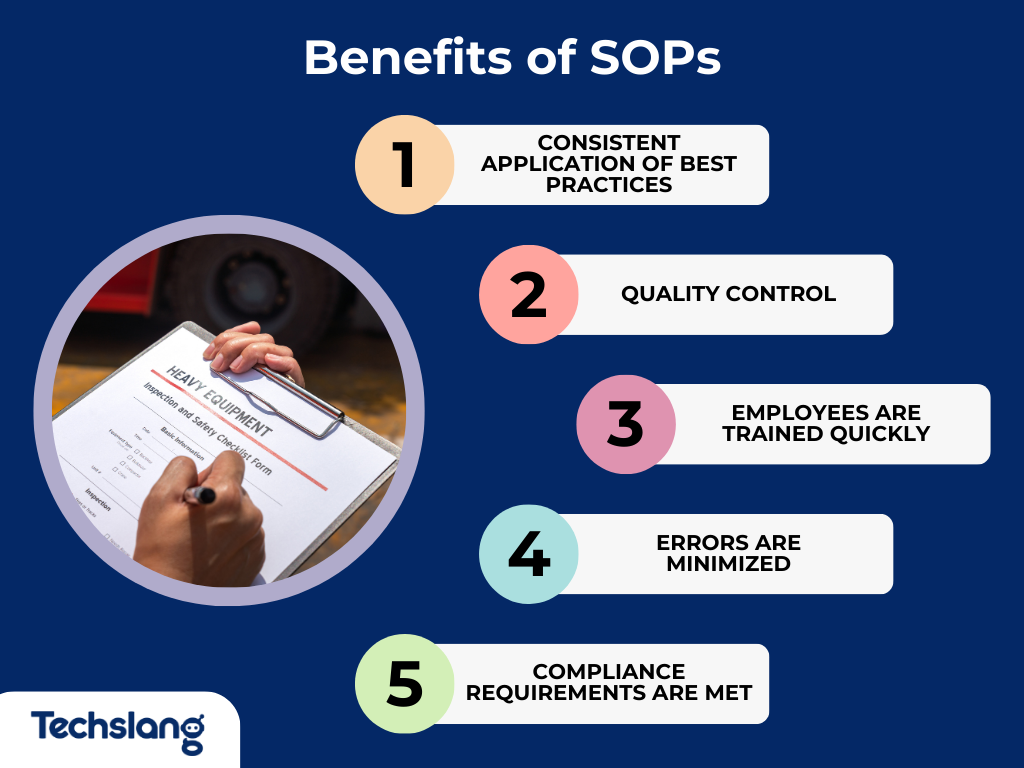
This section details standard operating procedures (SOPs) that guide employees in performing their daily tasks safely and consistently. Workers reference this information during onboarding, when cross-training for new responsibilities, or when they encounter unfamiliar processes.
Maintenance personnel also rely on this portion of the project manual to confirm that work has been completed in accordance with approved procedures, quality standards, and operational requirements.
Physical assets
This portion of the O&M manual provides a comprehensive overview of physical systems and assets. It includes detailed descriptions of facilities and infrastructure, such as applicable building codes, floor plans, site surveys, equipment layouts, and construction materials.
Much of this information is supplied by contractors during project closeout and serves as a long-term reference for renovations, upgrades, inspections, and repairs.
Maintenance
This section defines the responsibilities of maintenance staff related to both proactive and reactive maintenance activities. It explains how to troubleshoot issues, prioritise work orders, conduct inspections, and perform equipment testing.
The section also documents maintenance intervals, inspection checklists, and repair procedures, helping teams maintain equipment reliability, reduce downtime, and ensure consistent performance across systems.
These components contribute to the overall effectiveness of an O&M manual by placing operations and maintenance activities in the context of an organisation’s specific requirements, priorities, and operating environment. When properly developed, they support efficiency, safety, and long-term asset performance.
Creating your O&M manual: A step-by-step guide
A range of experts, including maintenance managers, original equipment manufacturers, safety managers, human resources professionals, operations managers, plant engineers, and executives, develop O&M manuals. In U.S. industrial environments, this cross-functional approach helps ensure the manual supports day-to-day operations, safety requirements, and long-term asset management.
Here is a detailed guide on drafting, compiling, and finalising an O&M manual:
- Transition to Digital O&M Documentation
First, prepare to create your O&M manual using software. If your company still relies on paper records, it’s time to switch to digital files. Printed manuals are cumbersome and expensive to update, especially when procedures, assets, or regulations change. Digital O&M manuals are easier to produce, revise, store, and distribute across teams and locations.
Many organisations use a computerised maintenance management system (CMMS), which can be hosted on internal servers or delivered through a cloud-based platform. Digital systems also make it easier to maintain version control and ensure employees are referencing the most current documentation.
- Use a Clear and Consistent Manual Structure
Create a consistent, easy-to-follow layout using basic document-organisation tools such as headers, subheadings, bullet points, and numbered lists. Use formatting options like bold or italics to emphasise critical instructions, safety warnings, or key notes. A standardised structure improves readability and allows technicians and operators to locate the information they need quickly.
- Collaborate With Key Stakeholders
Meet with maintenance managers, technicians, executives, and other stakeholders to gather input on what should be included in the O&M manual. This includes standard operating procedures, maintenance workflows, and safety practices. Stakeholder collaboration is equally essential when updating the manual, such as after replacing ageing equipment or implementing new inspection and maintenance procedures.
- Collect and Organise Supporting Documentation
Gather all external documents needed to support your O&M manual, including equipment specifications, technical drawings, asset lists, safety and health guidelines, and construction documentation. You should also collect information related to decommissioning, demolition, or disposal of obsolete assets, especially when hazardous materials or regulated waste are involved.
- Draft a Comprehensive O&M Manual
Write the first draft of the O&M manual using the information collected in previous steps. Focus on completeness and accuracy, ensuring all procedures, responsibilities, and technical details are clearly documented. At this stage, it’s essential to involve subject-matter experts who can verify that the instructions align with real operating conditions.
- Review and Refine With End Users
Share the draft manual with maintenance personnel, operators, supervisors, and other end users for feedback. These reviewers may identify missing information, unclear steps, or inconsistencies that need to be addressed. Incorporating their feedback helps improve usability and ensures the manual supports actual workflows.
- Publish, Distribute, and Maintain Access
Once the O&M manual is approved, publish it in digital format and inform employees that it is available for online viewing or download to their devices. Ensure teams know where to access the manual when needed. It’s also recommended to keep printed copies available on-site in case of system outages or emergencies.

Ensuring compliance and adherence to standards in O&M manuals
What are the compliance requirements and standards for O&M manuals?
O&M manuals should clearly spell out the safety protocols workers must follow during inspections, routine maintenance, cleaning, repairs, and system upgrades. In U.S. industrial environments, these protocols help ensure safe working conditions and consistent operations across facilities.
Manuals should also explain how equipment is handled during decommissioning, including shutdown procedures, isolation requirements, and proper disposal methods.
To ensure accuracy and compliance, organisations should consult their industry’s regulatory authorities and stay informed about current best practices.
Applicable standards may vary by industry and facility type, but they typically cover workplace safety, environmental protection, and operational reliability. O&M manuals should be reviewed regularly to reflect changes in regulations, equipment, or operating conditions.
Typically, knowledgeable stakeholders such as executives, maintenance managers, and safety officers are the first to be involved in discussions about standards and regulatory compliance. Their insight helps ensure the manual aligns with organisational policies, industry expectations, and applicable U.S. regulations.
If internal teams lack the expertise to confirm that O&M manuals meet all required standards, or if there is uncertainty about which regulations apply, partnering with experienced third-party O&M professionals may be beneficial.
These specialists can help validate documentation, close compliance gaps, and ensure manuals meet current regulatory and industry requirements.
Employee training and O&M manual updates
Why is ongoing training necessary for the effective use of O&M manuals?
Teams must stay up to date with the latest industry best practices to ensure O&M manuals remain accurate, relevant, and valuable in real operating conditions.
Regular training helps employees understand how to follow documented procedures and apply them consistently across facilities properly. In U.S. industrial environments, ongoing technician training also supports safety expectations and reduces the risk of errors that can lead to equipment damage or downtime.
Employees should receive routine training in inspecting, installing, cleaning, and maintaining the equipment used in daily operations. As systems evolve and technology advances, training ensures that maintenance personnel are comfortable with updated procedures and understand how changes affect performance, safety, and compliance.
How and when should O&M manuals be updated?
O&M manuals should be updated whenever significant changes are made to workflows, operating procedures, or maintenance protocols. Updates are also required when new regulations are introduced or when industry best practices change. Keeping documentation current helps ensure teams are always working from accurate and approved guidance.
Manuals must also be revised when equipment is removed, upgraded, or replaced, whether the replacement comes from the same manufacturer or a different supplier. Each change can affect operating instructions, safety requirements, and maintenance schedules.
Often, the first source referenced during updates is the manufacturer’s product specifications and operations manual. These documents provide essential details on approved operating limits, safety warnings, inspection intervals, and maintenance procedures that must be reflected accurately in the O&M manual.
O&M manuals are critical to successful facility management and construction projects
Practical O&M manuals play a vital role in the success of facility management and construction projects.
They provide clear guidance that helps protect workers, contractors, and the surrounding community, while also reducing the likelihood of unexpected equipment failures or shutdowns that can result in costly repairs, production delays, or asset replacement.
By using O&M manuals to guide ongoing maintenance activities, organisations can significantly reduce the total cost of ownership for critical equipment and systems.
Well-documented procedures support consistent maintenance practices, improve equipment reliability, and help extend asset life. A thoroughly researched and expertly developed manual also enables teams to work more efficiently while maintaining compliance with applicable safety, operational, and regulatory requirements.
This is where experienced documentation partners such as Dewick add value. Dewick supports industrial and construction organisations by developing clear, structured, and compliant O&M manuals that align with project requirements and operational realities.
By working closely with stakeholders, contractors, and maintenance teams, Dewick helps ensure documentation is accurate, practical, and easy to use long after project closeout.
It’s also crucial to properly structure O&M manuals in a digital format, not just as printed documents. Hence, they are easily accessible and simple to update as systems, equipment, and regulations evolve.
Digital O&M manuals make it easier for teams to stay informed, follow approved procedures, and maintain continuity across facilities and project lifecycles.
Get to know more about Dewick
Dewick supports contractors, consultants, and owners by removing the burden of O&M manuals, construction closeout, and handover documentation. Our team of experienced client coordinators, engineers, and technical writers works alongside your project team to deliver accurate, compliant documentation without disrupting construction programs.