
Common Mistakes in the U.S. Building
Regulations Compliance and How to Avoid Them
In the United States, building compliance exists to ensure that structures are safe, secure, accessible, and fit for long-term use.
Whether you are developing an individual residential property or delivering a large-scale commercial project, U.S. building code compliance is critical to every construction and renovation process. In the United States, building compliance exists to ensure that structures are safe, secure, accessible, and fit for long-term use. From life safety systems to energy performance and mechanical standards, compliance requirements affect every stage of a project.
That said, U.S. building regulations are rarely straightforward. Requirements vary by state, city, and local authority, and they often change over time. As a result, navigating building code compliance in the U.S. can feel complex and overwhelming, particularly for project teams managing multiple stakeholders, tight timelines, and evolving design scopes.
There is significant room for error when working toward construction compliance. Even minor oversights can lead to failed inspections, approval delays, additional rework, increased costs, and, in some cases, legal or insurance exposure. These issues are often discovered late in the project, when resolving them is far more disruptive and expensive.
Below, we outline six of the most common U.S. building regulations compliance mistakes observed across residential and commercial projects, along with practical guidance on how to avoid these issues through better planning, coordination, and ownership.

What Is U.S Building Regulations Compliance
U.S. building code compliance refers to the process of ensuring that a building meets all applicable federal, state, and local code requirements before, during, and after construction. These regulations are designed to protect occupant safety, structural integrity, energy performance, and long-term usability.
In the United States, building code compliance is primarily governed at the state and local level. While model codes such as the International Building Code provide a baseline, most jurisdictions adopt their own versions with amendments that reflect local conditions and regulatory priorities. This means compliance requirements can vary significantly between cities and states.
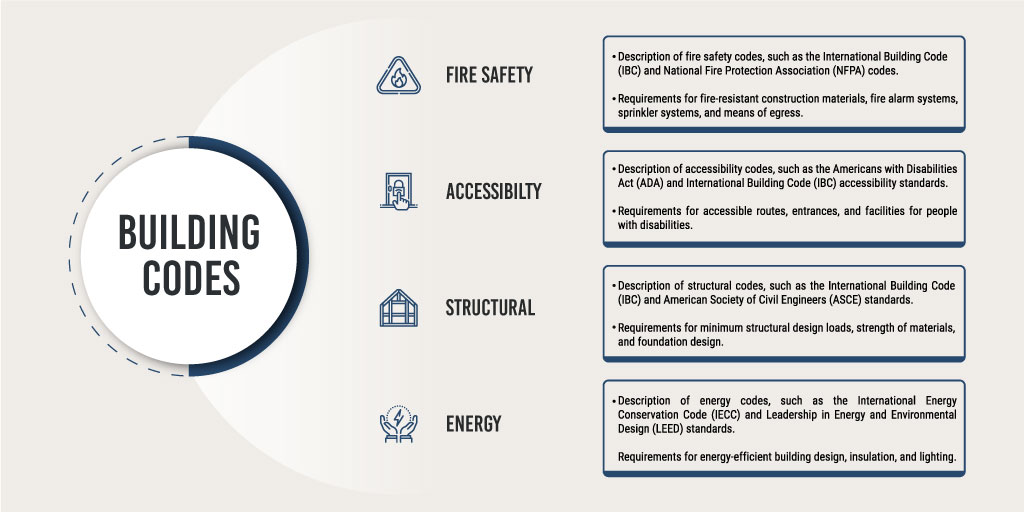
Construction compliance typically covers a wide range of areas, including structural design, fire and life safety systems, mechanical and ventilation requirements, accessibility standards, and energy efficiency criteria. For commercial projects, compliance obligations are often more complex due to larger building systems, higher occupancy loads, and stricter inspection processes.
Importantly, U.S. building compliance is not a single approval or inspection. It is an ongoing process that spans design development, permitting, construction, commissioning, and final approval. Failure to address compliance consistently across these stages is one of the most common reasons projects experience delays and rework.
6 Common Building Regulation Compliance Mistakes You Need to Avoid
There are many ways building regulations compliance can go wrong on a construction project. In the U.S., the complexity of layered federal guidance, state codes, and local amendments creates additional risk for both residential and commercial developments. Below are six of the most common building compliance mistakes and why they continue to cause delays, rework, and regulatory issues across US projects.
- Not Keeping Up With Changing Legislation
One of the most frequent U.S. building compliance failures is assuming that regulations remain static. In reality, building codes and compliance requirements are updated regularly at the state and local levels, often with little notice.
Changes to energy standards, accessibility requirements, fire safety provisions, or mechanical regulations can directly impact approvals and inspections. When teams rely on outdated guidance, even small oversights can result in non-compliance, costly design changes, or failed inspections.
How to avoid it
Project teams should actively track U.S. building regulation updates and confirm applicable requirements with the local authority having jurisdiction at key stages of the project, rather than relying on previous experience or assumptions.
- Using the Wrong Building Regulation Experts
Another common mistake is engaging building compliance consultants who lack relevant experience with the specific project type or jurisdiction. While many providers offer compliance support, not all have the technical depth or regional knowledge required to manage complex U.S. building code compliance.
Using an inexperienced or poorly coordinated compliance team can lead to incorrect interpretations, incomplete submissions, and avoidable delays. In some cases, errors are only identified during inspections, when fixing them is disruptive and expensive.
How to avoid it
It is critical to work with building regulation specialists who understand local codes, sector-specific requirements, and how compliance evidence is reviewed by inspectors and authorities.

- Leaving Building Compliance Until the Last Minute
Building compliance is often treated as a task to be addressed once construction is underway or nearing completion. Tight schedules, pressure to mobilise on site, or competing priorities can push construction compliance to the background.
In the U.S., this approach significantly increases risk. If a project is found to be non-compliant late in the build, rectifying issues can involve redesign, rework, or delays to occupancy and final approvals.
How to avoid it
U.S. building regulations compliance should be considered from the earliest design stages and carried through permitting, construction, and inspection. Early planning reduces risk, improves coordination, and prevents last-minute surprises.
- Not Taking Building Compliance Seriously
One of the most damaging mistakes in building regulation compliance is treating compliance as optional or secondary. In the U.S., building compliance is mandatory for all construction activities, whether the project involves a single residential property, a large commercial development, or the renovation of an existing building.
The scope of U.S. construction compliance varies by project type, occupancy, and jurisdiction, but the consequences of non-compliance remain consistent. Missed inspections, rejected approvals, and safety risks can all arise when compliance is not prioritised from the outset.
How to avoid it
Compliance should be approached as a core project responsibility, with sufficient time, expertise, and oversight allocated to ensure all building code requirements are met and verified.
- Only Focusing on One Aspect of Building Regulation Compliance
Another common issue is focusing on a single area of compliance while overlooking others. U.S. building regulations compliance extends beyond a single discipline and often encompasses fire and life safety, mechanical systems, ventilation, energy performance, accessibility, acoustics, and sustainability requirements.
By focusing on a single compliance area, project teams risk creating safety gaps, cost overruns, and future operational issues. These oversights are often discovered during inspections or post-construction reviews, and resolving them becomes significantly more complex.
How to avoid it
A coordinated approach to building compliance in the U.S. is essential. All compliance requirements should be reviewed collectively to ensure systems work together and meet regulatory expectations as a whole.
- Engaging Multiple Providers for Fragmented Compliance Reports
Many projects assume that different compliance requirements must be handled by multiple providers. While specialist input is sometimes necessary, spreading building compliance services across several disconnected teams can lead to duplication, misalignment, and gaps in accountability.
When reports are prepared in isolation, inconsistencies can emerge, increasing the likelihood of failed inspections or delayed approvals. This is a common issue on complex U.S. commercial construction projects with multiple stakeholders.
How to avoid it
Centralising building regulation compliance management under a coordinated approach improves consistency, reduces administrative burden, and ensures that compliance evidence aligns across all disciplines.
Why Building Regulations Compliance Is Often Overlooked in the U.S.
Despite its importance, compliance with U.S. building regulations is frequently misunderstood or deprioritised during construction projects. This is rarely due to negligence. More often, it is the result of complexity, fragmented responsibilities, and pressure to keep projects moving.
One of the biggest challenges in the United States is the variation in building code requirements across states, cities, and local authorities. While national model codes provide a framework, local amendments can significantly alter the requirements for a project to be compliant. This makes building compliance in the U.S. difficult to standardise, particularly for teams working across multiple jurisdictions.
Another common issue is unclear ownership. Construction compliance responsibilities are often split between designers, contractors, consultants, and subcontractors. When roles are not clearly defined, critical compliance tasks can be overlooked or assumed by someone else. These gaps typically surface during inspections or approval reviews.
Time pressure also plays a major role. Tight schedules, permitting deadlines, and construction milestones can push building regulation compliance into a reactive position. When compliance is treated as something to be addressed later, problems tend to emerge when little flexibility remains to resolve them efficiently.
Finally, compliance is often seen as an administrative burden rather than a core project requirement. This mindset leads to missed coordination between systems, incomplete reviews, and avoidable risks that impact safety, approvals, and long-term building performance.
How to Avoid Building Compliance Issues on U.S. Construction Projects
Avoiding building compliance issues on U.S. construction projects requires a proactive and structured approach. While building regulations compliance can appear complex, most problems arise from predictable gaps in planning, coordination, and oversight rather than unexpected regulatory changes.
The first step is to address U.S. building code compliance early. Compliance requirements should be reviewed during the initial design and planning stages, not introduced once construction is underway. Early consideration allows teams to identify jurisdiction-specific requirements, align designs accordingly, and avoid late-stage changes that delay approvals or inspections.
Clear ownership is equally important. Construction compliance responsibilities should be clearly defined across all project stakeholders, including designers, contractors, and specialist consultants. When accountability is established early, it reduces the risk of missed inspections, incomplete submissions, or duplicated effort.
Coordination across disciplines also plays a critical role. Building regulation compliance often spans multiple systems, including fire and life safety, mechanical, ventilation, energy performance, and accessibility. Reviewing compliance in isolation can create gaps that only become visible during inspections. A coordinated review process ensures all systems meet regulatory requirements as a whole.
Regular compliance checks throughout the project lifecycle help maintain alignment. Rather than relying on final reviews, ongoing assessments of U.S. construction compliance allow issues to be identified and resolved while there is still flexibility to make adjustments.
Finally, treating compliance as a core project priority rather than an administrative task changes outcomes. Projects that embed building compliance management into their workflows are more likely to achieve timely approvals, reduce rework, and deliver buildings that meet both regulatory and operational expectations.
Frequently Asked Questions About the U.S. Building Regulations Compliance
What is building regulations compliance in the U.S.
U.S. building regulations compliance refers to meeting all applicable federal guidance, state codes, and local authority requirements for a construction project. These regulations cover areas such as structural safety, fire and life safety, mechanical systems, accessibility, and energy performance. Compliance is required throughout the design, construction, and final approval stages.
Who is responsible for building compliance on a U.S. construction project
Responsibility for building compliance is typically shared between owners, designers, contractors, and specialist consultants. However, accountability must be clearly defined. Without clear ownership, construction compliance tasks can be missed, leading to inspection failures or approval delays.
Why do building compliance issues cause project delays
Building compliance issues often surface during inspections or final approvals. When requirements are not met, projects may require redesign, rework, or additional documentation, all of which can delay occupancy and increase costs. Early planning and ongoing reviews help prevent these delays.
Do building compliance requirements differ by state in the U.S.
Yes. U.S. building code compliance varies significantly by state and even by city. While many jurisdictions base their requirements on national model codes, local amendments can change specific compliance obligations. Projects must always follow the rules set by the authority having jurisdiction.
When should building compliance be considered during a project
Building regulation compliance should be addressed from the earliest design stages and reviewed continuously throughout construction. Waiting until late in the project increases the risk of non-compliance, failed inspections, and costly corrective work.
What are the risks of not meeting U.S. building regulations
Failure to comply with U.S. building regulationscan result in failed inspections, delayed approvals, legal exposure, insurance issues, and long-term safety or operational problems. In some cases, non-compliance may prevent a building from being occupied until issues are resolved.
Final Thoughts on U.S. Building Regulations Compliance
U.S. building regulations compliance is not just a regulatory requirement. It is a critical part of delivering safe, functional, and operationally sound buildings. As this article highlights, most compliance issues do not stem from complex regulations alone, but from gaps in planning, coordination, and ownership throughout the project lifecycle.
By addressing building compliance early, assigning clear responsibility, and reviewing requirements holistically rather than in isolation, project teams can significantly reduce risk. This approach helps avoid delays, failed inspections, rework, and the long-term operational challenges that often follow non-compliance.
At Dewick, we support U.S. construction projects with a structured, coordinated approach to building-regulation compliance, helping teams navigate complex requirements across thedesign, construction, and approval stages. Our focus is on clarity and consistency, and on ensuring compliance is managed as an integrated part of the project, not an afterthought.
If you are looking to reduce compliance risk and streamline approvals on your next project, schedule a call with Dewick to discuss how we can support your building compliance requirements in the United States.
Get to know more about Dewick
Dewick supports contractors, consultants, and owners by removing the burden of O&M manuals, construction closeout, and handover documentation. Our team of experienced client coordinators, engineers, and technical writers works alongside your project team to deliver accurate, compliant documentation without disrupting construction programs.