Building Compliance Checklist:
Safety and Regulatory Documentation Guide for U.S. Properties
Beyond construction, the compliance process continues into the property's operational phase.
Creating a thorough building compliance checklist is essential. It ensures that properties meet all safety and regulatory standards across both the pre-construction and post-construction stages.
A well-structured checklist functions as a central tool. It guides property managers, contractors, and facility teams through the steps required to obtain building permits, comply with zoning laws, complete inspections, and maintain consistent quality throughout the project lifecycle.
A significant part of this process involves preparing and submitting detailed building documentation. This includes planning documents, technical specifications, engineering reports, and compliance documentation that confirm the project aligns with local and national building codes.
These documents support the permit approval process and establish the foundation for safe construction activity.
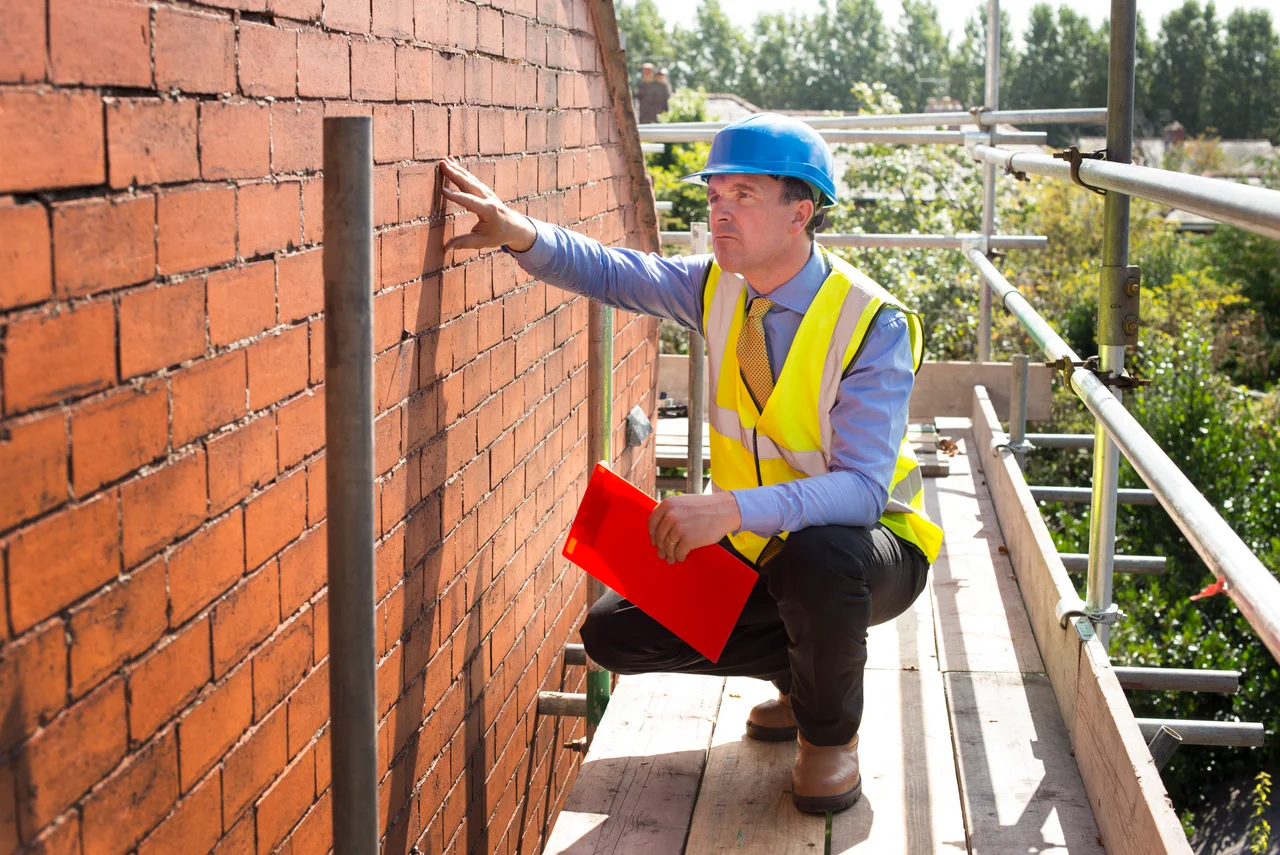
As construction progresses, regular inspections become essential. Foundation checks, framing evaluations, mechanical and electrical system reviews, and final pre-occupancy inspections help identify any deviations from approved plans. These inspections ensure that every phase of the project meets code requirements and maintains structural integrity.
Beyond construction, the compliance process continues into the property’s operational phase. Accurate as-built drawings, up-to-date O&M manuals, and complete building handover documentation provide owners and facility managers with the information they need to operate and maintain the building safely.
These documents support long-term compliance by detailing system layouts, equipment maintenance procedures, and regulatory requirements that must be followed after the project is completed.
Together, these documentation and inspection steps protect the safety, durability, and performance of the building. They create a clear record that the property complies with U.S. regulations and is ready for long-term operation.
Key Takeaways
- A comprehensive property safety checklist is essential for maintaining full building compliance across every stage of development and occupancy.
- Securing the required building permits is a foundational step in the compliance process, ensuring the project aligns with local codes before construction begins.
- Regular construction inspections play a critical role in identifying and correcting deviations from approved plans. These include foundation reviews, framing checks, and systems inspections.
- Submitting detailed building documentation, including plans, specifications, compliance documentation, and engineering reports, is necessary for regulatory approval from local authorities.
- Adhering to established building inspection standards helps maintain the long-term safety, quality, and structural performance of the property.
- Accurate as-built drawings, up-to-date O&M manuals, and complete building handover documentation support ongoing compliance once the building is operational.
Understanding Building Compliance
Building compliance refers to the process of meeting defined health, safety, and quality standards that govern how properties are planned, constructed, maintained, and occupied.
By following these regulations, property managers and owners ensure that their buildings remain fully compliant throughout their lifecycle. This approach minimises risks, prevents penalties, and avoids costly legal complications.
At the core of compliance is the commitment to meeting established real estate safety standards. These standards guarantee that properties are safe and habitable for occupants. Thorough building inspections are essential for verifying compliance.
For owners, developers, and prospective buyers, inspections offer a clear picture of the property’s condition. They confirm structural stability, system reliability, and the overall security of the investment.
Staying informed about updates to building codes is equally essential. These codes define how residential and commercial spaces must be designed, constructed, and documented to ensure long term safety.
For property managers, understanding these evolving regulations strengthens decision-making. It ensures they can oversee construction teams, maintenance activities, and compliance tasks effectively while meeting the latest legal requirements.
Modern compliance goes beyond inspections alone. It relies heavily on accurate building documentation, including as-built drawings, compliance documentation, O and M manuals, and building handover documentation.
These records support ongoing safety and operational performance by offering detailed guidance on building systems, maintenance procedures, and regulatory obligations.
Ensuring alignment with real estate safety standards
Properties must meet specific criteria for structural stability, fire protection, mechanical systems, accessibility, and environmental performance. Maintaining correct building documentation ensures these standards are met and properly recorded.
Step-by-step adherence to building code regulations
Following approved plans, submitting required documents, and completing scheduled inspections helps keep construction activities aligned with U.S. code requirements. Consistency in documentation supports regulatory approval at each stage.
The role of building inspections in compliance and safety
Inspections verify that construction work matches the approved plans and that systems perform as intended. They help identify issues early, maintain project quality, and provide the foundation for accurate as-built drawings and handover documentation.
Permit Requirements for Building Projects
Securing a building permit from the local authority with jurisdiction is required for any construction or renovation project in the United States.
Whether the project involves new construction, major upgrades, or system installations, builders must follow a detailed application process that includes submitting complete plans, engineering specifications, and building documentation for review.
Local officials evaluate these documents to confirm that the proposed work meets zoning regulations, land-use requirements, fire safety provisions, and U.S. building code standards.
This review process ensures that the project aligns with municipal, county, and state laws before any physical work begins. Once approved, the permit functions as a formal authorisation to start construction, confirming that the design is safe and code-compliant.
Technical teams, asset managers, and project managers play a significant role in this process. Their responsibility is to ensure that every submission meets the standards required by the U.S. Building and Safety departments.
They verify the accuracy of drawings, cross-check code requirements, and coordinate the delivery of critical documents, including compliance documentation, engineering reports, and, later in the project, as-built drawings and building handover documentation. Their structured approach ensures that regulatory expectations are met from planning to completion.
Following these permitting requirements helps maintain a smooth construction workflow. It ensures that projects remain aligned with regulatory expectations, reduces the likelihood of delays or penalties, and supports safe construction practices.
Compliance also contributes to broader community goals by promoting orderly development, protecting public safety, and ensuring that new buildings meet regional planning standards.
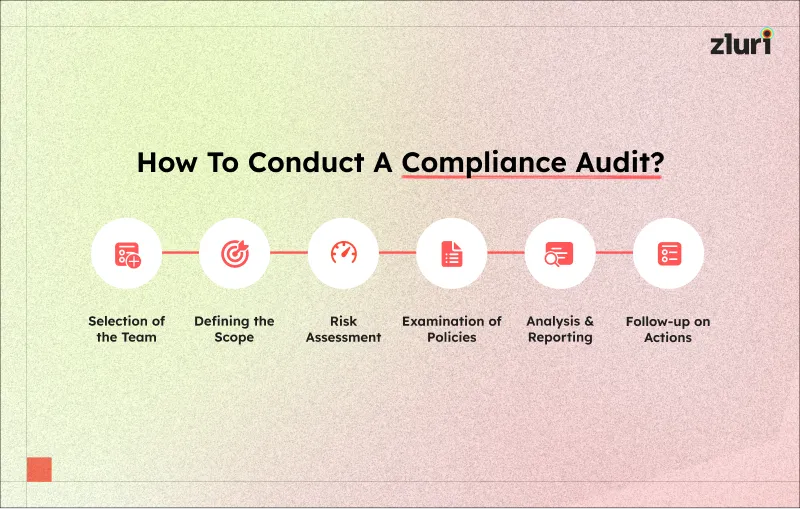
Conducting a Code Compliance Audit
A code compliance audit evaluates a property’s condition against established U.S. building codes, safety regulations, and operational standards.
The purpose of this audit is to identify any areas of non-compliance or potential hazards that could affect occupants or violate municipal, county, or state requirements. By following a structured compliance audit procedure, property managers can detect issues early, ensuring long-term safety and reducing legal and financial risks.
A thorough audit examines critical elements, including structural integrity, electrical and mechanical systems, plumbing installations, accessibility features, fire safety components, and environmental performance. These detailed assessments reveal where improvements are needed, allowing teams to make timely corrections and maintain proper standards.
Accurate building documentation, including updated as-built drawings, system records, and compliance documentation, strengthens this process by providing clear reference points for inspectors and facility managers.
Central to every audit is code adherence verification. This step ensures that all components of the property meet U.S. building code requirements, from initial construction through ongoing occupancy.
Verification includes both initial inspections, often tied to the permitting process and continuous follow-up evaluations. This creates an ongoing cycle of safety oversight instead of a one-time check.
Effective audits also rely on accurate O and M manuals and building handover documentation to verify that systems are installed and maintained in accordance with code.
These documents provide essential insight into equipment specifications, maintenance needs, and regulatory obligations, supporting continued compliance throughout the building’s lifespan.
A structured compliance audit procedure, combined with consistent verification of code adherence, is essential for maintaining property integrity. These practices protect occupants, uphold legal obligations, and support the asset’s long-term value by demonstrating full compliance with U.S. regulations.
Regular audits empower property managers to maintain a safe and compliant environment. By monitoring performance, updating documentation, and promptly addressing deficiencies, they ensure that every property meets required safety and operational standards.
Construction Safety Inspection Processes
Ensuring compliance with construction safety standards is essential for any building project in the United States. During construction, inspectors conduct detailed reviews of the foundation, structural framing, electrical systems, plumbing installations, and mechanical components.
These residential and commercial building inspections verify that all work conforms to approved plans and meets U.S. building code requirements. This process supports structural stability, minimises future repair risks, and creates a safer environment for both workers and future occupants.
A thorough inspection process follows a series of defined stages. It begins with an evaluation of the foundation and framing, ensuring that the building’s core structure is correctly formed and capable of supporting the loads required by code.
As construction continues, inspectors assess system-specific work, including wiring, HVAC installations, fire safety systems, and plumbing networks. Each inspection is timed to coincide with key construction milestones, ensuring deviations are caught early and corrected quickly.
Understanding the sequence and requirements of each inspection stage is crucial. It ensures that on-site teams follow mandated U.S. Building and Safety protocols, maintain proper documentation, and stay aligned with compliance expectations.
Accurate building documentation, including updated as-built drawings, installation records, and safety reports, helps inspectors verify that the project meets regulatory standards at every stage. This documentation also becomes part of the final building handover documentation upon completion of the project.
Maintaining safety throughout the construction process requires disciplined daily practices such as:
- Clearing the site of any hazards before beginning work.
- Ensuring proper training for all on-site personnel.
- Using appropriate PPE (Personal Protective Equipment).
- Conducting regular site walkthroughs to monitor adherence to safety protocols.
- Addressing identified risks or issues immediately to prevent escalation.
These measures, combined with scheduled inspections and accurate compliance documentation, strengthen construction safety and support the successful completion of a fully compliant building.
Fire Safety Codes and Inspections
Adhering to fire safety codes is essential for protecting property, preserving assets, and ensuring the safety of all occupants.
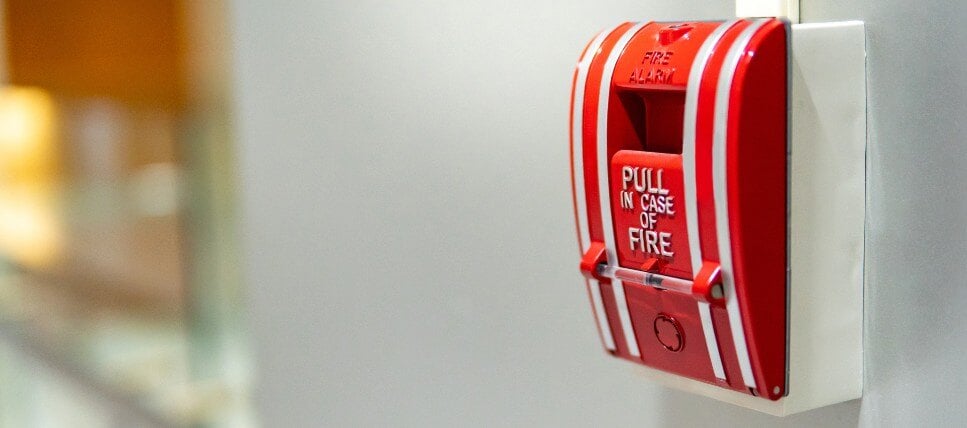
In the United States, ongoing inspections are required to verify that buildings comply with local and national fire regulations, including NFPA standards and municipal Fire and Life Safety requirements. These inspections evaluate critical systems and procedures to confirm that the building can effectively prevent, detect, and respond to fire hazards.
An intense fire prevention program includes several key measures:
- Ensuring clear and properly marked fire exits.
- Evaluating and maintaining functional sprinkler systems.
- Implementing safe storage practices for flammable materials.
- Maintaining unobstructed egress routes throughout the property.
Smoke alarms and detection devices are fundamental to building safety. Regular testing confirms that these systems are operational and capable of providing early warning in an emergency. Inspections also cover additional life safety components, such as:
- Checking the condition and accessibility of firefighting equipment.
- Testing fire alarm systems and notification devices.
- Reviewing emergency evacuation plans and ensuring they meet regulatory standards.
- Verifying that fire doors, extinguishers, and suppression equipment are installed and maintained correctly.
Comprehensive fire inspections rely heavily on accurate building documentation, including O&M manuals for fire protection systems, manufacturer maintenance guidelines, and up-to-date compliance documentation.
These records provide inspectors and facility managers with the technical information needed to verify that equipment is installed, serviced, and operated in accordance with code. Once construction is complete, these details are incorporated into the final building handover documentation to support long-term fire safety compliance.
Maintaining fire safety compliance elevates the property’s overall safety standards. Through regular inspections, preventive maintenance, and adherence to fire codes, property managers protect both assets and lives.
These proactive measures ensure that buildings remain safe, reliable, and fully compliant with U.S. regulations.
Quality Control Procedures in Building Inspections
Rigorous quality control and quality assurance practices are essential to every stage of U.S. building inspections. These procedures involve a systematic review of both the interior and exterior components of a property.
Inspectors evaluate utility services, structural integrity, safety systems, and critical building elements to ensure the construction meets required safety and quality standards. These practices maintain a high level of building inspection accuracy and ensure compliance with national, state, and municipal regulations.
Comprehensive building inspections are typically divided into general inspections and specialised inspections, allowing for a thorough assessment of the property’s condition.
A general inspection evaluates core building systems, including plumbing, electrical wiring, and specialised inspections, enabling roofing and foundation stability.
Specialised inspections focus on areas that require greater expertise, such as HVAC performance, fire safety compliance, environmental considerations, and mechanical system functionality. This dual approach ensures that every component of the building is evaluated correctly and meets code requirements.
General Inspections
Assess structural integrity, plumbing systems, electrical systems, roofing, and exterior conditions. These inspections provide a broad overview of the building’s health and identify key areas requiring maintenance or repair.
Specialized Inspections
Examine individual systems, including HVAC, fire protection, energy efficiency measures, environmental safety, and mechanical performance. These inspections offer an in-depth review that supports long-term operational safety.
Effective quality control relies heavily on accurate and up-to-date building documentation, including as-built drawings, maintenance logs, system reports, and compliance documentation.
These records allow inspectors to verify that installations comply with approved plans and U.S. building codes. Upon project completion, these documents also form part of the building handover documentation, supporting ongoing maintenance and regulatory compliance.
Property and asset managers play a central role in verifying construction standards. Their oversight ensures that all building components meet established benchmarks, even when they do not own the properties themselves.
Their detailed quality control methods help identify issues early in the construction process, reducing future repair costs and maintaining the property’s long-term value.
Environmental Assessments and Regulations
Comprehensive environmental impact assessments play a significant role in ensuring that U.S. building projects comply with federal, state, and local environmental laws. These assessments evaluate how construction activities may affect surrounding ecosystems, focusing on waste management, resource efficiency, air quality, water usage, and overall energy consumption.
By integrating sustainable building practices from the beginning, developers not only minimise environmental harm but also meet legal requirements designed to protect public health and preserve long-term property value.
U.S. environmental laws and sustainability regulations, including EPA guidelines, state-specific ecological codes, and municipal green building requirements, encourage responsible construction and ongoing property management. Meeting these green regulations is now a fundamental expectation in modern real estate development.
Compliance aligns new projects with broader environmental goals such as reducing carbon emissions, improving energy efficiency, and promoting cleaner communities.
Accurate building documentation, including environmental reports, waste management logs, energy efficiency data, and compliance documentation, supports these assessments. These documents allow regulators and project managers to verify that sustainable practices are being followed throughout construction.
Once the project is complete, these details become part of the final building handover documentation, guiding long-term building operations and ongoing sustainability compliance.
Conducting thorough environmental impact assessments and adhering to U.S. sustainability regulations are essential for responsible development. These actions promote environmentally conscious construction practices, support community wellbeing, and contribute to long-term environmental protection.
Ultimately, they benefit both society and the built environment by ensuring that every project minimises its ecological footprint.
Conclusion
The adoption of a comprehensive building compliance checklist is essential for efficient property management in the United States. These checklists ensure that every stage of a project adheres to legal, environmental, and industry standards through systematic audits, inspections, and documentation reviews.
This structured approach not only protects the well-being of occupants but also elevates overall building quality and long-term performance.
Promoting a strong compliance culture is vital for maintaining construction integrity. Routine activities such as fire safety inspections, meeting ADA accessibility standards, conducting environmental assessments, and verifying as-built drawings and building documentation reinforce accountability across the entire project lifecycle.
By consistently updating compliance procedures, property managers stay ahead of evolving regulations, ensuring properties remain safe, accessible, and environmentally responsible.
Ultimately, the purpose of compliance measures is to create buildings that meet the highest expectations for safety, quality, and legal compliance.
By adhering to Building and Safety standards, property managers establish a culture of responsibility that benefits both the construction industry and the communities it serves.
FAQ
What is a building compliance checklist?
A building compliance checklist is a structured tool used to ensure that properties meet required safety and regulatory standards. It includes steps such as securing building permits, following zoning regulations, conducting inspections, reviewing building documentation, maintaining high construction quality from planning through obtaining building permits, and complying with occupancy requirements.
Why is building compliance substantial?
Building compliance ensures that properties are safe, durable, and aligned with U.S. building codes. Adhering to these standards helps property owners avoid fines, legal issues, safety risks, and costly repairs. It also guarantees that both residential and commercial spaces are fit and secure for long-term occupancy.
What are the key components of a building compliance checklist?
Key components include permit requirements, regulatory adherence, inspection protocols, fire safety standards, accessibility guidelines, quality control procedures, and environmental considerations. These elements work together to confirm that a project meets all U.S. compliance benchmarks.
What permits are required for building projects?
Projects typically require building permits, zoning approvals, and environmental permits. Obtaining these permits involves submitting detailed plans and compliance documentation to local authorities to confirm that the project aligns with zoning laws and code requirements.
What does a code compliance audit entail?
A code compliance audit examines a property’s alignment with U.S. building codes. It identifies non-compliant areas and safety hazards, guiding property managers toward necessary corrections. This process relies on as-built drawings, inspection reports, and updated documentation to ensure ongoing compliance.
What are construction safety inspection processes?
Construction safety inspections assess foundational and structural work, electrical and plumbing systems, mechanical installations, and fire protection systems. These reviews verify that construction aligns with approved plans and U.S. construction safety standards.
How do fire safety codes impact building compliance?
Fire safety codes define requirements for exits, sprinklers, alarms, and emergency planning. Inspections validate that these systems are maintained and functioning correctly. Adherence to fire safety codes is essential for both occupant protection and regulatory compliance.
What are the accessibility standards for properties?
U.S. accessibility standards, including ADA requirements, ensure properties are inclusive and usable for all individuals. These standards call for features such as ramps, designated parking, handrails, and accessible entryways. Regular inspections confirm ongoing compliance.
How do quality control procedures enhance building inspections?
Quality control procedures assess interior and exterior conditions, structural components, and utility systems. These inspections verify that construction meets required safety and quality standards. They also support accurate handover documentation for buildings at project completion.
What role do environmental assessments play in building compliance?
Environmental impact assessments evaluate a project’s effects on natural resources, waste management, and energy usage. Complying with U.S. ecological regulations helps protect public health, support sustainability goals, and maintain long-term property value
Schedule a call with Dewick today for all your U.S. documentation needs.
Get to know more about Dewick
Dewick supports contractors, consultants, and owners by removing the burden of O&M manuals, construction closeout, and handover documentation. Our team of experienced client coordinators, engineers, and technical writers works alongside your project team to deliver accurate, compliant documentation without disrupting construction programs.