
Building Commissioning Process:
Importance and Key Benefits in the USA
Without a structured commissioning process, issues such as inconsistent temperatures, poor indoor air quality, and frequent equipment failures become common.
Property management companies are well familiarised with the activities and responsibilities that come with building ownership, including building design, construction planning, permitting, facility maintenance, and occasional major renovations or demolitions. However, the building commissioning process is just as essential and is frequently overlooked during both new construction and existing building operations.
Many commercial and institutional buildings in the USA have never gone through proper building commissioning services, which often results in poor equipment performance, higher energy consumption, and increased long-term ownership costs. Systems such as HVAC, electrical, plumbing, and building automation systems may technically function but fail to operate as intended by the original design.
Without a structured commissioning process, issues such as inconsistent temperatures, poor indoor air quality, and frequent equipment failures become common. Over time, this directly impacts occupant comfort, workplace productivity, and even occupant health, while also increasing maintenance demands and operational risks for property owners and facility managers.
What is Commissioning?
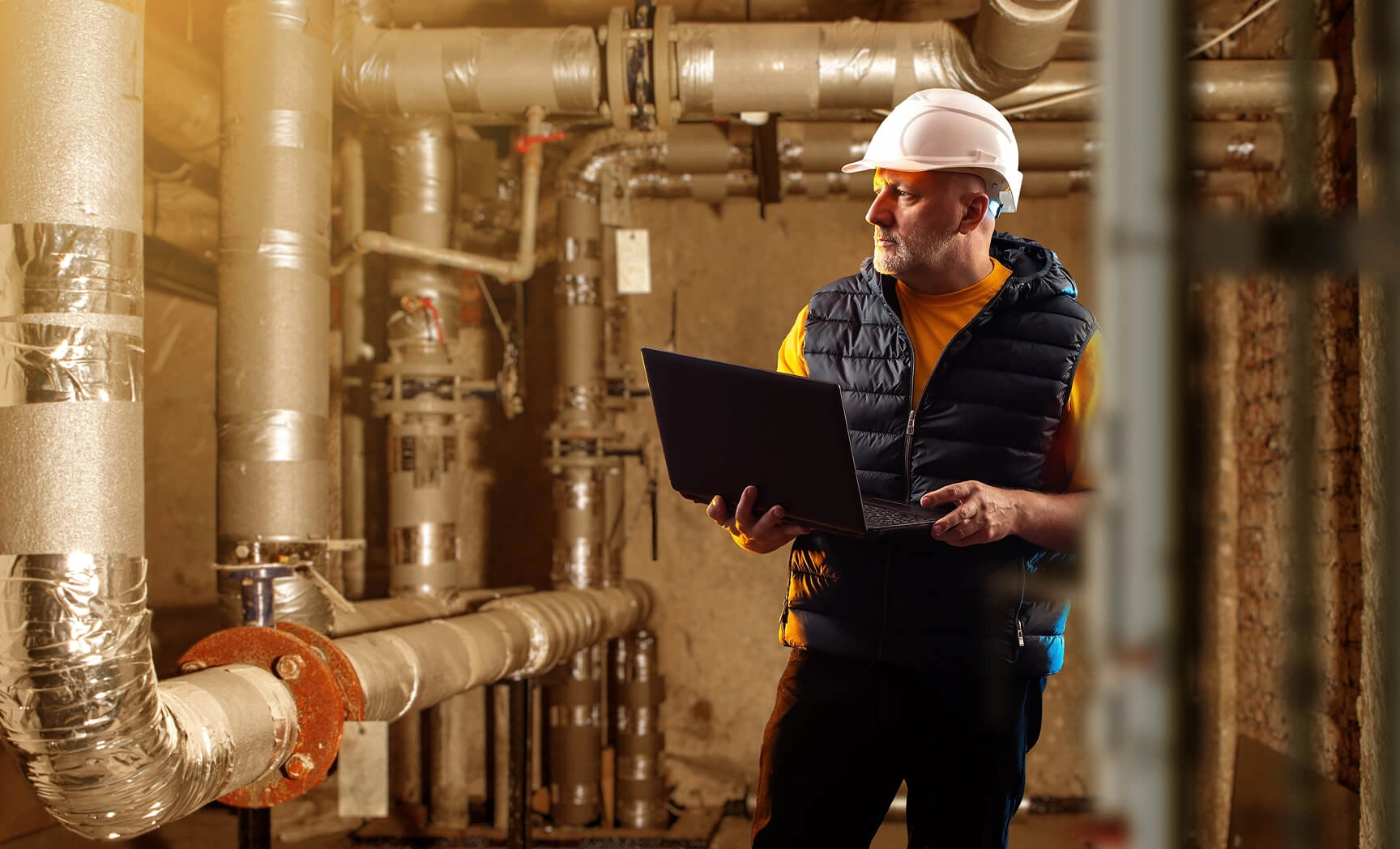
In simple terms, building commissioning (commonly abbreviated as Cx) is a structured process that helps keep buildings operating at optimal performance throughout their lifecycles.
The goal of the commissioning process is to verify that building systems operate exactly as intended, in accordance with the original design and the owner’s operational requirements.
This is accomplished by comparing actual building operations against a set of predefined performance metrics andimplementing corrective actions whenever a building system fails to meet those standards.
Through professional commissioning services, issues related to energy efficiency, system reliability, and occupant comfort can be identified and resolved early.
To make the building commissioning process effective, two key requirements must be established.
First, it is essential to define a performance baseline that serves as a reference point for all significant building systems. Without clearly documented benchmarks, it becomes impossible to accurately evaluate building performance, energy usage, or system efficiency over time.
Second, there must be a clear framework for performance reporting and documentation. Standardised reporting improves communication between commissioning consultants, design engineers, construction contractors, and facility maintenance teams. Consistent documentation also ensures that operational knowledge is preserved long after construction is complete.
Depending on when commissioning is performed and the building’s condition at that time, different terms are used to describe the process.
When the term commissioning (Cx) is used on its own, it typically refers to new building commissioning. This form of commissioning begins during the design and construction phases, with the most intensive testing and verification occurring after construction is complete but before the building becomes fully operational.
The objective is to ensure all systems are installed, calibrated, and functioning according to design intent before occupancy.
Retrocommissioning (RCx) applies to existing buildings that have never been commissioned or were commissioned many years ago without ongoing performance verification.
Retrocommissioning often uncovers hidden inefficiencies in HVAC systems, lighting controls, and building automation systems, leading to measurable improvements in energy efficiency and operating costs.
Recommissioning (ReCx) applies to buildings that undergo commissioning regularly. Because these facilities already have performance benchmarks and documentation in place, recommissioning is usually less complex than commissioning new buildings or retrocommissioning existing ones.
This process helps ensure that systems continue to perform efficiently as building use, occupancy patterns, and equipment age.

Commissioning as an Investment in Your Property
The building commissioning process consistently delivers a high return on investment (ROI), with a payback period of less than one year often achievable for commercial and institutional buildings in the USA.
This is mainly because commissioning services focus on inspection, performance analysis, system testing, control calibration, and low-cost corrective actions, rather than major equipment replacements or capital-intensive upgrades.
Unlike large-scale retrofits, building commissioning does not typically require significant capital expenditures. Most performance improvements are achieved by optimising existing HVAC, electrical, controls, and building automation systems to operate as originally intended.
Fixing building performance issues during the design phase of a project is significantly more cost-effective than modifying completed construction.
Similarly, proactive maintenance driven by commissioning insights costs far less than reactive repairs after system failures occur.
For this reason, commissioning should be viewed as a long-term investment that protects asset value while improving overall facility performance.
Beyond immediate operational improvements, the commissioning process also enhances the effectiveness of energy efficiency measures. Without commissioning, energy-saving strategies often degrade over time due to control overrides, sensor drift, or undocumented system changes.
Ongoing commissioning helps preserve energy savings and prevents performance decline as building conditions evolve.
Advances in digital building technologies and the Internet of Things (IoT) have made monitoring-based commissioning (MBCx) increasingly viable. Unlike traditional recommissioning, which identifies issues at scheduled intervals, MBCx enables continuous performance monitoring and real-time fault detection.
This approach allows facility teams to take corrective action quickly, often before performance issues escalate or impact occupants and operating costs.
By detecting inefficiencies early and addressing them when their impact is still minimal, monitoring-based commissioning helps maintain optimal building operation while reducing long-term energy costs, maintenance demands, and operational risk.

How Performance Testing is Carried Out
During the building commissioning process, performance testing verifies that individual components and complete building systems operate in accordance with design intent. This testing phase is essential to ensure that systems not only function independently, but also interact correctly under real-world operating conditions.
The commissioning performance testing procedure is generally divided into two stages: pre-functional testing and functional performance testing.
Pre-Functional Performance Testing
During pre-functional testing, individual pieces of building equipment are inspected and verified before the entire system is brought into operation. This includes confirming correct equipment location, proper installation procedures, accurate labelling, and compliance with design specifications.
Pre-functional testing also extends to control systems, sensors, and associated software configurations.
Equipment is checked to ensure it is powered, calibrated, and ready for integration into larger systems. Any installation issues or configuration errors identified at this stage can be corrected quickly and at a lower cost.
Functional Performance Testing
Once pre-functional testing is complete, functional performance testing evaluates complete building systems as integrated units. This stage focuses on overall system performance, coordination among subsystems, and the system’s ability to respond appropriately to both normal and abnormal conditions.
Functional testing is conducted under a range of scenarios that may occur during regular building operation, such as varying occupancy levels and load conditions, as well as during emergencies, including power outages, fire alarms, and system failures.
The objective is to confirm that all systems interact correctly and maintain safe, efficient operation under all expected conditions.
By combining pre-functional and functional testing, the commissioning process ensures that building systems perform reliably, efficiently, and as intended throughout the building lifecycle.
Main Benefits of Commissioning
The building commissioning process delivers value far beyond energy savings. While energy efficiency improvements are one of the most measurable outcomes, commissioning services also help prevent costly system failures, extend equipment life, and create healthier indoor environments for occupants.
Well-commissioned buildings provide stable indoor conditions, improved indoor air quality, and consistent system performance. In commercial and institutional settings, better indoor comfort is closely linked to higher occupant satisfaction, improved focus, and increased workplace productivity.
The following sections summarise the main benefits achieved through building commissioning.
1) Optimisation and Efficiency
One of the primary benefits of commissioning is the optimisation of building systems, so they operate according to design intent. When systems perform as specified in the original design documents, energy consumption is reduced, and ownership costs remain under control.
A large-scale study conducted by the Lawrence Berkeley National Laboratory analysed 643 buildings and found that building commissioning services reduced energy expenses by an average of 16% in existing buildings and 13% in new buildings. These savings demonstrate how proper system calibration and performance verification translate directly into lower operating costs.
2) Improved Comfort and Indoor Air Quality
Occupant comfort and indoor air quality are critical indicators of building performance. Through commissioning, issues that negatively affect comfort and health can be identified and corrected early.
Common performance issues addressed during commissioning include temperature extremes, improper humidity levels, excessive air velocity from ventilation systems, unpleasant odours, and excessive noise. By resolving these issues, buildings provide a healthier and more comfortable indoor environment.
In business settings, improved indoor conditions are closely associated with higher productivity, reduced absenteeism, and better overall employee well-being, thereby positively impacting profit margins.
3) Longer Building and Equipment Service Life
Unplanned equipment breakdowns and premature system failures are costly and disruptive. Building commissioning helps reduce the frequency of repairs and replacements by ensuring systems operate within proper limits and are maintained proactively.
By identifying operational issues early and correcting them before damage occurs, commissioning services help extend the service life of HVAC equipment, electrical systems, and control components. This reduces capital replacement costs and minimises downtime.
4) Better Understanding of Building Performance
Because commissioning relies heavily on testing, verification, and documentation, it provides building owners and facility managers with a clear snapshot of how systems are actually operating.
This detailed documentation enables more precise and proactive maintenance planning. Problem areas can be monitored more closely, and troubleshooting becomes faster and more effective when performance data and system sequences are clearly documented.
Traditionally, many facilities have relied on reactive maintenance, addressing problems only after they occur. This approach often leads to higher maintenance expenses and allows minor performance issues to go unnoticed until they escalate.
In contrast, the commissioning process delivers measurable financial benefits by reducing operations and maintenance (O&M) costs, improving system reliability, and protecting long-term asset value. Over time, these improvements contribute directly to improved profitability and lower overall building ownership costs.
Is Commissioning Mandatory in the United States?
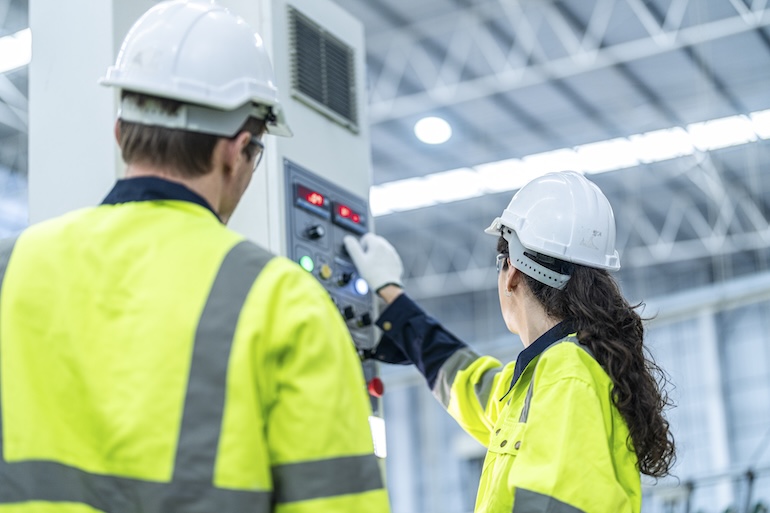
While building commissioning is widely recommended across the United States, there are specific cases where code, standards, or local regulations require commissioning services. These requirements vary by state, city, and project type, but they are increasingly common in energy-focused building policies.
At the federal and state levels, building commissioning is often mandated through adopted versions of the International Energy Conservation Code (IECC) or ASHRAE Standard 90.1.
Many states and municipalities reference these standards directly and require commissioning when buildings exceed specific system size or capacity thresholds, particularly for HVAC systems, lighting controls, and building automation systems.
In addition, public and institutional buildings frequently require commissioning as part of funding, permitting, or compliance conditions.
Government-owned facilities, higher education campuses, healthcare buildings, and federally funded projects often mandate new building commissioning or recommissioning to ensure energy efficiency, reliability, and long-term operational performance.
Some jurisdictions also require ongoing commissioning or recommissioning of existing buildings, especially those subject to energy benchmarking, performance reporting, or carbon-reduction programs. These requirements are designed to prevent gradual performance degradation and rising operational costs over time.
Even where commissioning is not explicitly required by law, it is strongly recommended when a building shows signs of declining performance, increasing energy consumption, or rising operations and maintenance expenses that cannot be attributed to a single system failure.
In these cases, the commissioning process helps identify hidden inefficiencies and restore systems to optimal operating conditions.
Because commissioning requirements vary significantly across states and local jurisdictions, property owners and facility managers should consult a qualified engineering or commissioning consultant to determine whether their building is subject to mandatory commissioning.
Professional guidance ensures compliance with applicable codes while also delivering long-term performance and cost benefits.
Conclusion: Why Building Commissioning Matters
Building commissioning is no longer an optional consideration for high-performing buildings in the United States. It plays a critical role in ensuring that building systems operate efficiently, comply with applicable codes, and deliver long-term value for owners and occupants alike.
From reducing energy costs and preventing equipment failures to improving indoor comfort and regulatory compliance, the commissioning process helps protect both operational performance and overall asset value over time.
Dewick and Associates provides experienced building commissioning services designed to support commercial, institutional, and speciality facilities throughout their lifecycle. Through a structured, documentation-driven approach and deep technical expertise, Dewick and Associates helps property owners achieve reliable system performance, improved efficiency, and sustained operational savings.
Get to know more about Dewick
Dewick supports contractors, consultants, and owners by removing the burden of O&M manuals, construction closeout, and handover documentation. Our team of experienced client coordinators, engineers, and technical writers works alongside your project team to deliver accurate, compliant documentation without disrupting construction programs.