
Best Practices for Construction
Handover in the USA
We will explore common construction project handoff flaws and proven best practices for construction handover.
Are you 100% happy with your construction project handover process? If you have ever experienced bottlenecks in the construction handover process, project closeout delays, or miscommunication between project teams during construction handover, it may be time to reassess your current approach.
In this article, we will explore common construction project handoff flaws and proven best practices for construction handover that help improve coordination, documentation accuracy, and accountability. You will also learn practical fixes to streamline the construction project closeout process as projects transition smoothly from construction teams to owners, facility managers, and operations teams nationwide.

Key Steps in the Construction Handover Process
A smooth construction handover process ensures that all project information, documentation, and deliverables are accurately transferred to the owner or client. Using a structured, standardised construction project handover framework helps reduce last-minute issues, minimise risk, and support a seamless transition from construction to operations.
Testing and Commissioning
Comprehensive testing and commissioning during construction handover are critical to verify that all building systems perform as intended. This phase includes the review and approval of project commissioning data, during which the owner receives the required construction certificates, confirms system performance, and signs off on thecompleted works.
As part of the construction commissioning process, operations and maintenance manuals are reviewed to ensure they align with completed installations and required inspections. Proper testing and commissioning reduce operational issues after handover and support long-term asset performance.
Defect Management
Construction defect management is a key component of a successful project handover process. Defects can occur at any stage of construction, whether visible during inspections or identified later during operation. Before handover, all parties should agree on a transparent construction defect reporting and rectification process.
Establishing accountability and timelines for addressing defects helps prevent disputes and ensures outstanding issues are resolved before final project acceptance.
Compliance Reporting
Construction compliance reporting ensures the completed project meets design specifications, regulatory requirements, and contractual obligations. During this stage, the design manager or compliance lead reviews the project to identify potential design risks, evaluate system performance, and confirm alignment with the functional design brief.
This step is essential for maintaining regulatory compliance and reducing future operational or safety risks within the facility.
Actual Project Handover
The final construction project handover occurs once the contractor confirms that all work defined in the construction contract and project scope has been completed. After the final inspection, essential items, such as project documentation, keys, access credentials, and other agreed-upon deliverables, are formally transferred to the owner or receiving team.
A well-managed actual handover stage ensures the owner can take complete control of the facility with confidence and begin operations without unnecessary delays.
.webp)
Who Is Involved in Construction Handover?
The construction handover process involves multiple project stakeholders, each playing a critical role in ensuring a smooth and successful transition from construction to operations. Clear accountability during construction project handover helps reduce delays, prevent miscommunication, and ensure all contractual and regulatory requirements are met.
Project Owner or Client
The project owner or client is the final recipient of the completed project and plays a central role in the construction handover phase. Their responsibilities include reviewing handover documentation, verifying that deliverables meet contractual expectations, and confirming that the asset is ready for occupancy and ongoing operation.
General Contractor
The general contractor oversees the completion of construction activities and coordinates the construction project closeout. During handover, the GC confirms that all work aligns with the construction contract, resolves outstanding issues, and formally transfers as-built drawings, warranties, and other required construction handover documents to the owner.
Subcontractors
Construction subcontractors are responsible for submitting final materials documentation, equipment data, and installation details related to their specific trades. Their input is essential to ensuring the accuracy and completeness of the construction handover package.
Project Manager
The construction project manager often facilitates the entire handover process, coordinating stakeholders and tracking submissions to ensure all handover requirements are met. Their role includes managing timelines, verifying documentation completeness, and confirming that all tasks are completed prior to final project handover.
Facilities Management Team
The facilities management team is responsible for operating and maintaining the building after handover. During the construction handover stage, they receive operations and maintenance manuals, asset data, and system training to effectively manage facility operations, preventive maintenance, and future repairs.
Government or Municipal Authorities
Government agencies or municipal authorities may be involved to verify regulatory compliance during construction handover. Their responsibilities can include reviewing documentation, conducting final construction site inspections, and issuing required certificates of occupancy, permits, or compliance approvals in accordance with local building codes and regulations.
Benefits of a Successful Construction Handover
A well-planned construction handover process delivers measurable benefits for both the construction team and the project owner or client. When managed correctly, construction project handover supports operational efficiency, reduces risk, and strengthens long-term stakeholder relationships.
Seamless Transition
A structured construction handover framework ensures the owner and facilities management team receive all required handover documentation, system training, and critical deliverables. This allows teams to confidently take control of the completed asset without operational disruptions or information gaps during the transition from construction to operations.
Optimised Operational Readiness
An effective construction handover and closeout process enables the facility to become operational sooner. When systems, equipment, and documentation are delivered accurately and on time, the owner and facilities team can begin full operations without delays.
Reduced downtime leads to improved productivity, faster occupancy, and meaningful cost savings throughout the facility’s lifecycle.
Safe and Compliant Facilities
Proper construction compliance management during handover ensures that all safety inspections, approvals, and certifications are completed. This confirms the facility meets local building codes, regulatory requirements, and safety standards.
A compliant construction handover process helps reduce liability, minimise operational risk, and avoid legal or regulatory issues after project completion.
Client Satisfaction
A smooth and organised construction project handover reflects professionalism, accountability, and attention to detail. When general contractors manage the handover process effectively, clients gain confidence in the delivery team. This often leads to repeat engagements, positive referrals, and stronger long-term client relationships.

Construction Handover Challenges
Even well-planned construction handovers can encounter obstacles. Miscommunication, incomplete documentation, and last-minute decisions can disrupt the transition and create inefficiencies. Understanding common construction handover challenges and how to address them is key to delivering a successful project closeout.
In the next section, we will explore the most common roadblocks in construction handovers and practical strategies to overcome them.
Challenge #1: Your Teams Are Disconnected
If you have ever watched a relay race, you understand the importance of timing during a handoff. To win, both runners must already be moving before the baton is passed.
The same principle applies to the construction project handover process. When preconstruction and site teams are not aligned early on, gaps begin to form.
If project managers, superintendents, and site supervisors are not onboarded early with support from estimators, project coordinators, and preconstruction managers, problems can arise. These disconnects often lead to delays, miscommunication, and reduced project profitability.
FIX: Onboard Stakeholders Early
Early stakeholder onboarding strengthens the construction handover process by encouraging collaboration and shared visibility across the project lifecycle. When teams have continuous access to project information, they operate from the same understanding and can execute the following steps without disruption.
Ensuring the preconstruction team keeps site teams informed and actively seeks feedback before, during, and after construction helps reduce friction and supports a smoother transition into construction project closeout.
Challenge #2: You Make Decisions on the Fly
With so many moving parts in a construction project, it is easy for decisions to be delayed until later stages. However, construction is a dynamic process where scope, budgets, timelines, and requirements often evolve.
The challenge is that the more developed a project becomes, the more difficult and costly changes are to implement. Decisions made early during preconstruction planning are easier to execute and typically result in meaningful time and cost savings compared to late-stage adjustments.
FIX: Agree on a Plan
Establishing a shared construction project roadmap early helps keep all teams aligned throughout execution and handover. Encouraging collaboration during the preconstruction phase allows teams to agree on key decisions before site work begins, rather than reacting to issues later.
A clear and agreed-upon plan supports consistency, reduces last-minute changes, and improves overall construction handover efficiency.
Challenge #3: Your Data Is Unavailable
Effective execution depends on access to accurate and timely information. When teams lack the construction project data needed to perform their work, process bottlenecks develop, costing time and money.
This issue is especially common during construction project handoffs between estimating, preconstruction, and site teams. If subcontractors, trade partners, and suppliers are not aligned on key project details, momentum slows as teams pause to locate, verify, and distribute information.
FIX: Facilitate Data Sharing
Maintaining a centralised construction data environment allows all stakeholders to access accurate, up-to-date project information throughout the project lifecycle. Secure and role-based access ensures continuity as projects move toward construction handover and closeout.
Through its structured construction handover and closeout support, Dewick and Associates helps project teams standardise documentation, improve coordination, and maintain data continuity from preconstruction through final handover.
This approach reduces information gaps, strengthens collaboration, and enables smoother transitions from construction to operations.
Construction Handover Checklist
One of the most effective ways to support a smooth construction handover process is to use a clear, structured construction handover and project closeout checklist. When every task, document, and approval is clearly listed and tracked, fewer details are overlooked during the construction project closeout.
A comprehensive construction handover checklist helps reduce delays, improve coordination, and create a more predictable experience for both the general contractor and the project owner.
Organising deliverables in one place ensures that documentation, approvals, and final inspections are completed before the project is formally handed over.
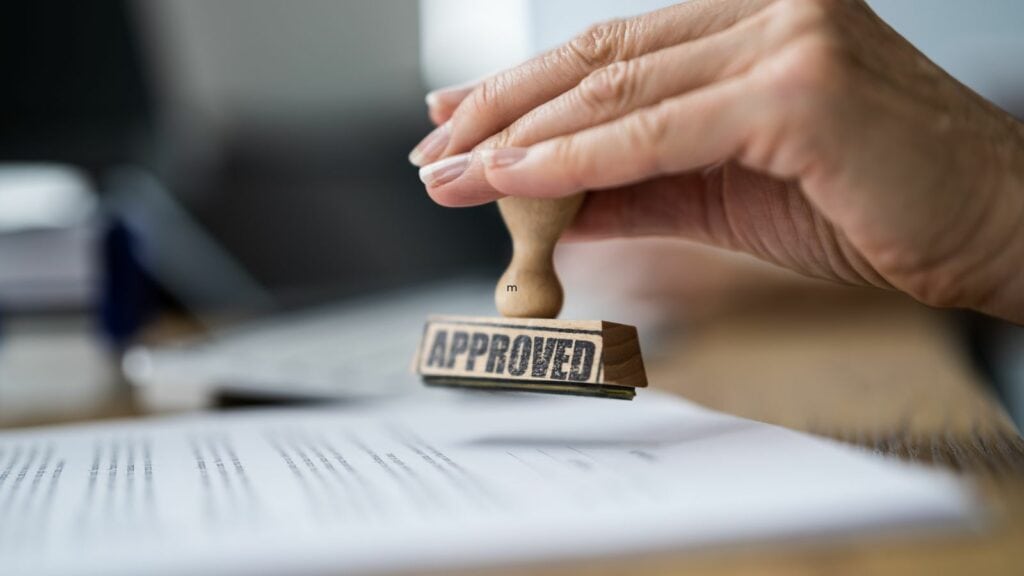
For best results, using a standardised project closeout checklist allows teams to verify that all construction handover documentation, regulatory approvals, and remaining tasks are complete before final acceptance.
This structured approach helps ensure consistency across projects and supports a smoother transition from construction to operations.
Final Words
A well-managed construction handover does more than bring a project to a close. It sets the foundation for future success by ensuring continuity, accountability, and operational readiness.
Maintaining clear construction documentation, involving key project stakeholders at every stage, and proactively addressing potential handover challenges all contribute to stronger project outcomes.
By supporting structured and consistent construction handover processes, Dewick and Associates helps project teams improve coordination, reduce risk, and deliver smoother transitions from construction to operations.
With the right approach in place, both contractors and owners can move forward with confidence, build stronger partnerships, and minimise post-handover issues.
Get to know more about Dewick
Dewick supports contractors, consultants, and owners by removing the burden of O&M manuals, construction closeout, and handover documentation. Our team of experienced client coordinators, engineers, and technical writers works alongside your project team to deliver accurate, compliant documentation without disrupting construction programs.