
A Complete Guide to Operations & Maintenance (O&M) Manuals
in the USA
A well-prepared O&M manual becomes the backbone of this process, supporting safer workflows, consistent operations, and long-term asset reliability.
Running a facility is not just about keeping things moving. It is about creating harmony between people and machines. Both need to operate at their best, free from safety concerns, to keep everything running smoothly. That is where Operations and Maintenance (O&M) come in. These essential practices handle different responsibilities but work together toward the same purpose: ensuring your business runs efficiently while meeting performance goals. A well-prepared O&M manual becomes the backbone of this process, supporting safer workflows, consistent operations, and long-term asset reliability.

What are Operations?
Think of operations as the engine room of your business. It is where all the moving parts come together to keep everything running with consistency. Whether you are delivering services or manufacturing products, operations cover the day-to-day activities that keep an organisation functional.
Here is the real advantage: operations are not a single task. They are a coordinated system of workflows, tools, and people working in alignment. And when managed effectively, they support growth, strengthen performance, and help companies in the USA stay competitive in a fast-moving market.
In simple terms, operations include the processes and resources a company needs to deliver any product or service successfully. These core areas often include:
Production and Delivery:
This part of the operation focuses on creating and distributing the product or service. A bakery producing fresh loaves each morning (production) and ensuring they reach store shelves for customers (delivery) is a classic example. In the US commercial sector, this step is heavily tied to quality standards and consistency.
Marketing and Sales:
This function builds awareness and turns interest into revenue. Strong operational alignment ensures marketing efforts and sales execution support the same customer goals.
Financial Management:
Sound financial oversight keeps a business stable. It involves budgeting, tracking expenses, forecasting, and maintaining profitability. Many U.S. companies rely on structured financial processes to comply with regulations and support sustainable growth.
Human Resources (HR):
People power every industry. HR handles hiring, onboarding, training, and employee support. In U.S. workplaces, HR also ensures compliance with federal and state labour regulations, adding another layer of operational responsibility.
Supply Chain and Inventory:
Once the above elements are functioning well, supply chain and inventory management ensure that demand is met without overstocking or running out of essential materials. For U.S.-based operations, this often includes vendor coordination, logistics planning, and maintaining accurate inventory systems.
What is Maintenance?
Maintenance is the ongoing care of equipment, systems, and physical assets to keep them functioning safely and efficiently for as long as possible. It includes inspections, repairs, servicing, and scheduled checks that prevent minor issues from becoming larger, costly problems. Proper maintenance also helps maintain safe conditions for the people and machinery involved.
Here are the different types of maintenance procedures:
- Preventive Maintenance
- Corrective Maintenance
- Predictive Maintenance
- Routine Maintenance
A simple way to understand maintenance is to look at a fleet of vehicles. In this case, maintenance refers to the regular care and repair of the trucks or cars that make up the fleet. The goal is to keep them in good working condition, maintain road safety, and reduce the risk of unexpected breakdowns.
Preventive tasks include routine servicing before problems occur, while corrective tasks take place after a breakdown when repairs are urgently needed. Predictive tasks use data and inspections to spot potential issues early, and routine tasks involve basic checks and cleaning that do not require specialised expertise.
Clear documentation also plays a role in how maintenance is carried out. Many companies rely on professionally prepared material, such as the O&M documentation created by Dewick, to outline maintenance requirements, procedures, and equipment details.
This ensures that teams understand how to care for each asset, supporting better consistency and safer operations across the facility.
Strong maintenance practices ultimately contribute to greater efficiency and product quality in industries such as manufacturing, construction, and facility management.

Operations vs Maintenance: Key Differences
Operations and maintenance often appear closely connected, but each plays a distinct role in keeping a facility or business running smoothly. Understanding how they differ is essential to strong Operations and Maintenance (O&M) practices, especially for organisations across the US, where efficiency, safety, and compliance standards are high.
What Operations Focus On
Operations focus on the day-to-day activities that allow a business to deliver its product or service efficiently. Returning to the earlier example, operations function like the engine room that keeps everything moving. Common responsibilities include:
Production:
Managing how goods or services are created, whether that means assembling equipment, manufacturing items, or preparing food.
Logistics:
Coordinating the movement of materials and finished goods so products reach customers on time. In the US, logistics is especially crucial given the country’s extensive geographic distribution networks.
Customer Service:
Supporting customers, resolving issues, and maintaining positive relationships that contribute to long-term business stability.
Sales:
Turning demand into actual revenue by selling the product or service.
The primary goal of operations is to optimise processes. Everything is aimed at ensuring that products or services are delivered on time, consistently, and at the highest possible quality.
What Maintenance Focuses On
Maintenance ensures that the equipment, machinery, systems, and supporting assets used in operations remain functional and safe. While operations manage workflow, maintenance protects the tools that make that workflow possible. Key responsibilities include:
Preventive Maintenance:
Routine servicing and inspections that reduce the likelihood of breakdowns, such as replacing worn components or lubricating essential parts.
Corrective Maintenance:
Fixing issues after they occur. This might involve repairing a piece of manufacturing equipment or replacing a failed HVAC unit.
Predictive Maintenance:
Using data and condition monitoring to anticipate failures before they disrupt operations. Many US industries rely heavily on this approach to reduce downtime and maintain reliability.
The primary purpose of maintenance is to extend asset life, reduce unexpected stoppages, and ensure equipment remains safe and dependable. It works alongside operations but focuses on sustaining the tools and systems that operations rely on every day.
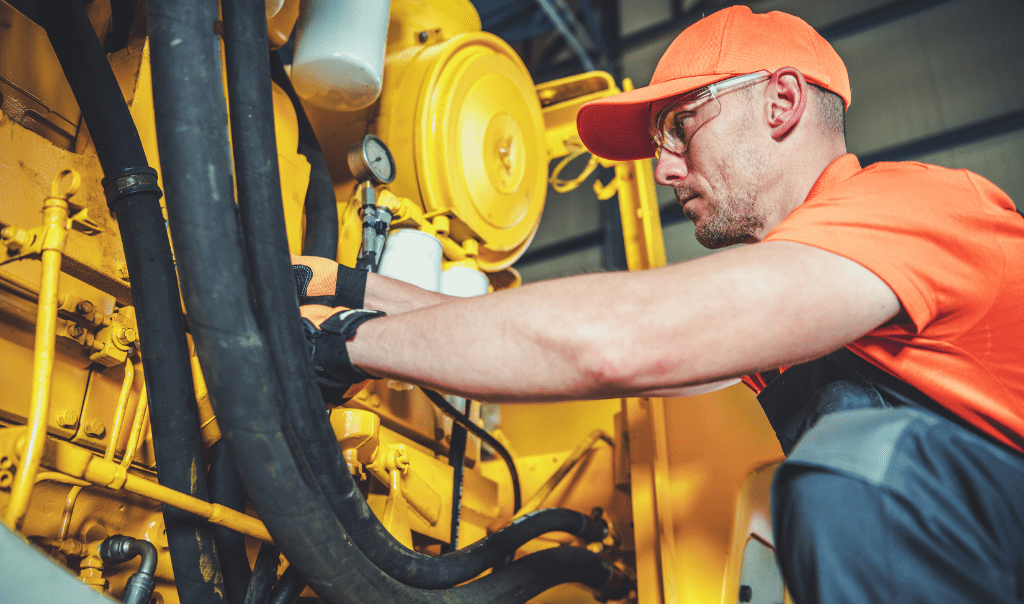
Where Operations and Maintenance Overlap
Although operations and maintenance focus on different responsibilities, they ultimately support the same purpose: keeping a facility running safely, efficiently, and without unnecessary downtime. Their overlap is essential in every industry across the US, especially in sectors where smooth facility management and reliable workflows are critical.
Asset Utilization
Operations rely on equipment that functions smoothly and safely. When machinery slows down, malfunctions, or becomes a safety concern, production capacity drops immediately. Consistent equipment maintenance helps prevent these disruptions and ensures assets are used to their full potential.
Teamwork
Both teams depend on clear communication. If maintenance needs to service or repair equipment, operations must be informed early enough to adjust schedules. This coordination supports better asset management and keeps unexpected downtime to a minimum.
Cost Control
Operations prioritise efficiency, while maintenance aims to prevent breakdowns that lead to expensive repairs. Regular cleaning, servicing, and inspections reduce the likelihood of major failures. This shared focus on cost control keeps expenses predictable and helps facilities maintain stable, efficient building operations.

Why Integration of Operations and Maintenance Matters
Long-term success requires more than just smooth daily workflows. Integrating operations and maintenance is one of the most reliable ways to prevent disruptions and create stability across your facility. When these two areas do not collaborate effectively, businesses face equipment failures, delays, reduced output, and even safety risks. Here is why bringing them together should be a priority for any US organisation looking to strengthen its asset management and operational reliability.
Performance Optimization
When maintenance activities are coordinated closely with operations, equipment receives attention at the right time. For example, a fleet owner can schedule servicing based on operational demand rather than waiting for issues to arise.
This reduces unplanned downtime and keeps assets running efficiently. Strong alignment supports consistent performance across all areas of equipment maintenance.
Long-term Savings
Breakdowns, emergency repairs, and last-minute workarounds can quickly become expensive. When operations and maintenance plans are in place, servicing fits naturally into production schedules.
This prevents major failures and helps businesses avoid costly repairs or premature replacements. Better planning results in steadier budgets and more predictable workflows.
Safety and Compliance
Integrated teams help companies meet safety compliance standards and industry best practices. This is especially important for facilities that handle hazardous materials or operate heavy equipment.
Regulations such as OSHA’s lockout/tagout procedures and hazard communication standards exist to minimise risks. When operations and maintenance share responsibility for safety, workplaces become safer for employees, the surrounding community, and the environment.
What is an O&M Manual?
An Operations and Maintenance (O&M) manual is a comprehensive guide that explains how to operate and maintain your equipment and assets throughout their lifecycles. It outlines how systems should function under ideal conditions, what daily operations require, and which maintenance tasks must be performed to maintain efficiency and safety. A well-developed O&M manual supports smoother workflows and more transparent decision-making across your facility.
A strong O&M manual typically includes:
- Step-by-step instructions to help teams operate equipment efficiently and extend asset lifespan.
- Essential safety information to prevent accidents and maintain a secure working environment.
- Clear guidance on what tasks need to be completed, when to perform them, and how to keep assets in optimal condition.
- Troubleshooting procedures and escalation instructions for when issues arise.
- Detailed guidelines to help facilities meet safety compliance and regulatory obligations.
Some manuals also include a record-keeping section for logging maintenance activities, repairs, and inspections. This makes tracking equipment history easier and keeps teams organised.
An O&M manual is more than just documentation. It is a central resource that supports efficiency, safety, and long-term reliability across your entire facility, especially in industries where precise facility documentation is essential.

Types of O&M Manuals
There are several kinds of Operations and Maintenance manuals, each designed for a specific purpose and industry. While their formats may differ, all exist to help teams operate and care for their equipment correctly and safely. Here are the main types:
Installation, Operation, and Maintenance Manuals
These manuals provide detailed instructions on installing, operating, and maintaining specific equipment. They often include technical specifications, diagrams, and troubleshooting guidance.
Emergency Procedures Manuals
These documents outline how to respond safely during crises or hazardous events. They help teams determine the right actions to reduce risks.
Human Resources Manuals
These focus on personnel-related policies, including training requirements for operating specific equipment or working in regulated environments.
Product Setup and Care Guides
Typically provided by manufacturers, these guides explain how to set up new products and keep them in good condition.
Backup and Recovery Guides
Used widely in IT and data-driven environments, these manuals outline how to back up systems and recover data after failures.
Maintenance and Repair Manuals
These manuals focus specifically on maintenance tasks: what needs to be done, when to do it, and what tools or parts are required.
Once your O&M manual is in place, you can streamline workflows, improve equipment utilisation, and strengthen long-term asset management strategies.
How Dewick Can Support O&M Efficiency
While traditional O&M programs rely on accurate documentation, many organisations struggle to keep manuals up to date, compliant, and easy for teams to use. This is where a documentation specialist like Dewick becomes valuable. Instead of acting as a software tool, Dewick provides the expertise needed to prepare, structure, and organise the documentation that operations and maintenance teams depend on.
By developing clear, well-organised O&M manuals, Dewick helps facilities:
- Keep equipment information, service details, and operating instructions accurate and accessible.
- Ensure maintenance teams have the proper documentation when planning tasks.
- Improve communication by giving both operations and maintenance the same reliable source of information.
- Support compliance with safety and industry standards.
- Maintain consistent documentation across large projects or multi-site operations.
When O&M documentation is well prepared, teams can plan more effectively, reduce errors, and make better long-term decisions about asset care and operational performance.
Conclusion
Strong operations and maintenance practices are essential for keeping facilities efficient, safe, and reliable. When teams follow clear procedures and rely on well-prepared documentation, they can reduce downtime, extend the lifespan of their equipment, and maintain a safer working environment.
Accurate O&M manuals created by specialists like Dewick give organisations the clarity they need to plan maintenance, support daily operations, and stay aligned with industry standards in the US.
With the right processes and documentation in place, businesses can improve performance, control costs, and avoid the unexpected breakdowns that disrupt productivity. It is a practical, proven foundation for long-term operational success.
FAQs
What are the challenges in implementing O&M programs?
Implementing an Operations and Maintenance program can be challenging because it requires the right processes, proper timing, and coordination across multiple teams. Common issues include limited budgets, insufficient training, inconsistent documentation, and unexpected equipment failures.
A practical approach is to start with manageable projects, establish clear procedures, and build structured documentation from the beginning to support long-term success.
How can O&M improve equipment reliability?
O&M improves equipment reliability by ensuring regular inspections, servicing, and preventive care. For example, a fleet vehicle remains dependable when oil levels are maintained, servicing is done on time, and safe driving practices are followed.
Preventive maintenance reduces the risk of sudden failures, helping assets operate smoothly for extended periods.
How can O&M improve productivity and cost-efficiency?
Strong O&M practices directly enhance productivity and cost efficiency. Well-maintained equipment is less likely to break down, operates at optimal performance, and consumes only the energy required, preventing waste. With fewer disruptions and longer asset lifespans, businesses save money on repairs, replacements, and unplanned downtime. This allows employees to work more effectively and maintain steady output.
What does maintenance cost include?
Maintenance costs typically cover labour, replacement parts, consumable materials, tools or equipment required for servicing, and the operational or energy expenses associated with keeping assets in good condition. These costs can vary by industry, asset type, and the level of maintenance required.
Book a call now with Dewick for all your O&M needs.
Get to know more about Dewick
Dewick supports contractors, consultants, and owners by removing the burden of O&M manuals, construction closeout, and handover documentation. Our team of experienced client coordinators, engineers, and technical writers works alongside your project team to deliver accurate, compliant documentation without disrupting construction programs.